AI Joins the Ranks: Streamlining Soldiers into Service

AI Joins the Ranks: Streamlining Soldiers into Service
In a move to counter the ticking clock of dwindling forces, the British Army turns to AI, not for warfare, but recruitment. As the UK grapples with the shadow of shrinking military might amidst rising global tensions, AI emerges as an unexpected ally.
Tasked with accelerating medical assessments, this digital force is on a mission to fast-track the enlistment of soldiers, a critical step in bolstering the ranks against the backdrop of a world bracing for potential conflicts.
The recruitment firm Capita, armed with AI, aims to transform the labyrinth of medical document analysis into a swift, secure, and more efficient process. Gone are the days of the manual, laborious review of tens of thousands of medical records.
Now, AI scans, sorts, and sifts through data, reducing application times by a significant margin. This modernisation drive enhances data security and promises a quicker transition from civilian to soldier, a crucial factor in keeping pace with the rapid recruitment and retention crisis echoed in parliamentary concerns.
However, this technological leap is not without its skeptics. Critics warn of the nuanced judgment needed in evaluating medical fitness, recalling past oversights where potential recruits were turned away for minor, long-resolved health issues. The question looms: can AI navigate the fine line between efficiency and accuracy without losing the human touch in understanding an applicant's true potential?
As the recruitment landscape evolves, with AI at its helm, it begs a broader inquiry into the integration of technology in traditional domains. How will the fusion of AI and human insight reshape the future of military recruitment and, by extension, our approach to national security and workforce management?
Read the full article on iNews.
----
Frequently asked questions
Why is the British Army using AI in recruitment?
The British Army faces shrinking forces amid rising global tensions and a recruitment and retention crisis raised in parliamentary concerns. AI is being introduced not for warfare but to accelerate medical assessments during recruitment, helping speed up the transition from civilian to soldier and bolstering the ranks more quickly than traditional manual processes allowed.
Link to this questionHow does AI improve the military recruitment process?
AI scans, sorts, and sifts through medical documents, replacing the manual, laborious review of tens of thousands of records. This reduces application times significantly, enhances data security, and creates a swifter, more efficient process for evaluating recruits, helping the process keep pace with recruitment needs.
Link to this questionWho is implementing AI in British Army recruitment?
The recruitment firm Capita is leading this effort, using AI to transform the analysis of medical documents into a faster, more secure, and more efficient process, aiming to reduce the time it takes to move applicants from civilian life into military service.
Link to this questionWhat are the concerns about using AI for medical recruitment screening?
Critics warn that evaluating medical fitness requires nuanced human judgment that AI may lack. They point to past oversights where recruits were rejected for minor, long-resolved health issues, raising doubts about whether AI can balance efficiency with accuracy while still understanding an applicant's true potential.
Link to this question💡 We're entering a world where intelligence is synthetic, reality is augmented, and the rules are being rewritten in front of our eyes.
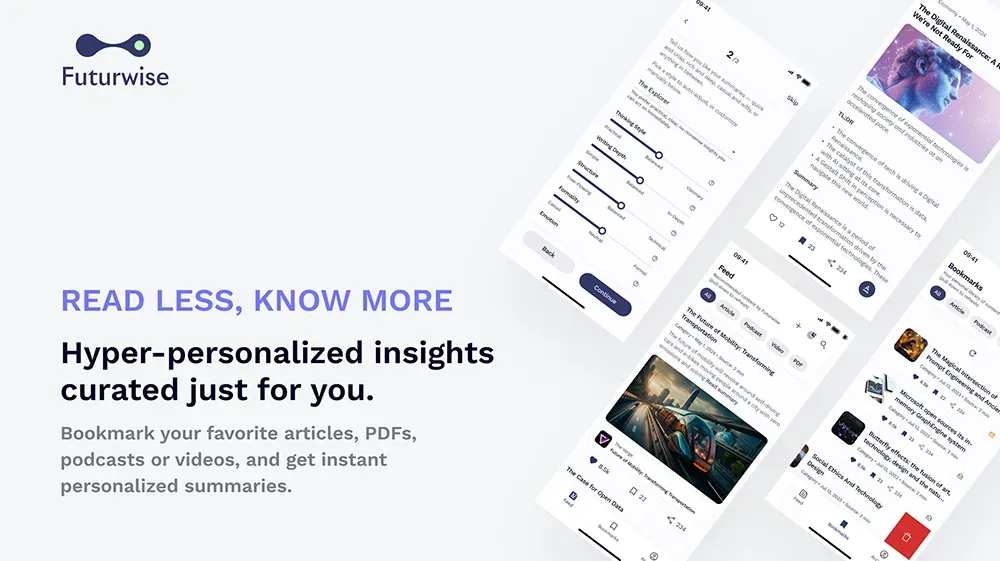
Staying up-to-date in a fast-changing world is vital. That is why I have launched Futurwise; a personalized AI platform that transforms information chaos into strategic clarity. With one click, users can bookmark and summarize any article, report, or video in seconds, tailored to their tone, interests, and language. Visit Futurwise.com to get started for free!

Dr Mark van Rijmenam
Dr. Mark van Rijmenam, widely known as The Digital Speaker, isn’t just a #1-ranked global futurist; he’s an Architect of Tomorrow who fuses visionary ideas with real-world ROI. As a global keynote speaker, Global Speaking Fellow, recognized Global Guru Futurist, and 5-time author, he ignites Fortune 500 leaders and governments worldwide to harness emerging tech for tangible growth.
Recognized by Salesforce as one of 16 must-know AI influencers , Dr. Mark brings a balanced, optimistic-dystopian edge to his insights—pushing boundaries without losing sight of ethical innovation. From pioneering the use of a digital twin to spearheading his next-gen media platform Futurwise, he doesn’t just talk about AI and the future—he lives it, inspiring audiences to take bold action. You can reach his digital twin via WhatsApp at: +1 (830) 463-6967.