AI's Popularity Contest: Unveiling the Unsung Heroes

AI's Popularity Contest: Unveiling the Unsung Heroes
In a digital age where artificial intelligence (AI) is more of a coworker than a distant cousin, a recent report by FlexOS.work shines a spotlight on the most popular AI tools reshaping our professional and personal lives. Surprisingly, the report doesn't just trumpet the triumphs of ChatGPT but also unveils a diverse cast of AI characters, from grammar gurus like Grammarly to educational aides such as Brainly, and even social chatterboxes like Character.AI.
This digital census reveals a fascinating shift: while we often wax lyrical about AI's prowess in generating text and images, its real crowd-pullers are in education and social interaction. It's an AI renaissance, with platforms like Character.AI not just winning hearts but also heralding a future where digital companionship is as common as texting.
However, the report isn't just a celebration. It's a mirror reflecting our evolving relationship with AI, highlighting an ecosystem rich in innovation but also cautioning against a monopoly of giants. As we marvel at the landscape of AI tools—from architects to English learners, and podcast creators to digital Romeos and Juliets—the diversity is staggering. Yet, the dominion of a few raises questions about the future of digital diversity.
As we integrate these digital helpers into our daily routines, how do we maintain a balance between technological reliance and human ingenuity? It's a call to action for users and creators alike to navigate the AI wave with both enthusiasm and ethical vigilance, ensuring that as AI becomes a staple of our digital diet, it enriches rather than eclipses the human experience.
Read the full article on Flexos.
----
Frequently asked questions
What did the FlexOS.work report reveal about popular AI tools?
The report showed that beyond well-known tools like ChatGPT, a diverse range of AI applications are widely used, including grammar tools like Grammarly, educational aides such as Brainly, and social chatbots like Character.AI. It revealed that AI's biggest draw isn't just text and image generation but also education and social interaction.
Link to this questionWhich AI tools are most popular besides ChatGPT?
Alongside ChatGPT, popular AI tools include Grammarly for grammar assistance, Brainly for education, and Character.AI for social interaction and digital companionship. The report also mentions tools used by architects, English learners, and podcast creators, showing a staggering diversity of applications across professional and personal life.
Link to this questionWhy is Character.AI significant in the AI landscape?
Character.AI stands out because it shows that AI's popularity isn't limited to productivity tasks like writing or image generation. It highlights a future where digital companionship becomes as common as texting, signaling a shift toward AI serving emotional and social roles rather than just practical or professional ones.
Link to this questionWhat concern does the report raise about AI's future?
While celebrating the diversity and innovation in AI tools, the report cautions against a monopoly of a few giant platforms dominating the ecosystem. This raises questions about digital diversity going forward and calls for users and creators to balance technological reliance with human ingenuity and ethical vigilance.
Link to this question💡 We're entering a world where intelligence is synthetic, reality is augmented, and the rules are being rewritten in front of our eyes.
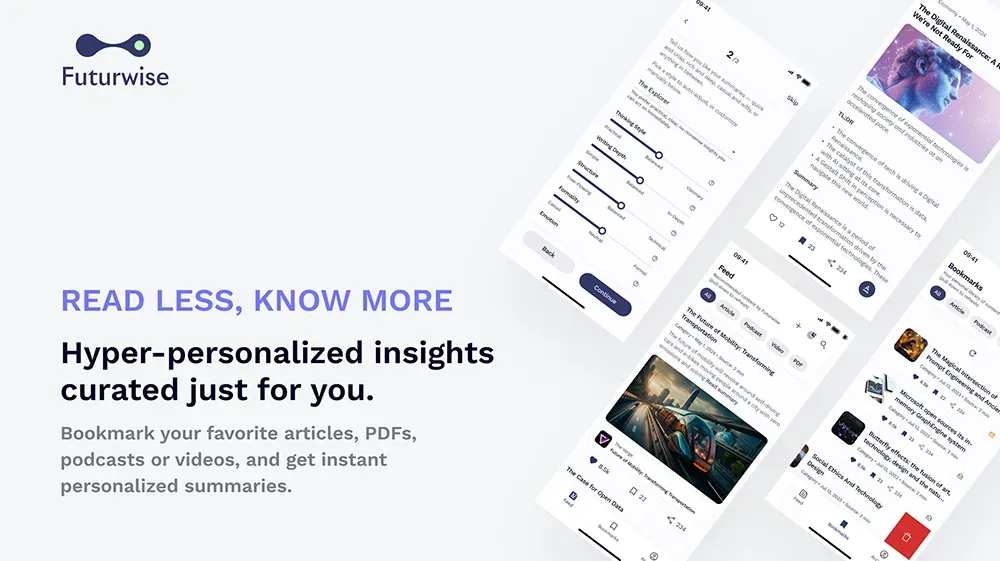
Staying up-to-date in a fast-changing world is vital. That is why I have launched Futurwise; a personalized AI platform that transforms information chaos into strategic clarity. With one click, users can bookmark and summarize any article, report, or video in seconds, tailored to their tone, interests, and language. Visit Futurwise.com to get started for free!

Dr Mark van Rijmenam
Dr. Mark van Rijmenam, widely known as The Digital Speaker, isn’t just a #1-ranked global futurist; he’s an Architect of Tomorrow who fuses visionary ideas with real-world ROI. As a global keynote speaker, Global Speaking Fellow, recognized Global Guru Futurist, and 5-time author, he ignites Fortune 500 leaders and governments worldwide to harness emerging tech for tangible growth.
Recognized by Salesforce as one of 16 must-know AI influencers , Dr. Mark brings a balanced, optimistic-dystopian edge to his insights—pushing boundaries without losing sight of ethical innovation. From pioneering the use of a digital twin to spearheading his next-gen media platform Futurwise, he doesn’t just talk about AI and the future—he lives it, inspiring audiences to take bold action. You can reach his digital twin via WhatsApp at: +1 (830) 463-6967.