
Safeguarding the metaverse from digital dangers.
As the metaverse lures us into its virtual realm, cybersecurity must lockdown defences against digital dangers to safeguard our data and assets from getting plundered by cyber villains.
Read More
As the metaverse lures us into its virtual realm, cybersecurity must lockdown defences against digital dangers to safeguard our data and assets from getting plundered by cyber villains.
Read More
You might have seen the video with a Sudanese Barbie holding a gun or the German Barbie in an SS uniform by London Interdisciplinary School (see ) from a now-deleted article on Buzzfeed. It appears the truth is 'slightly' different than what they suggest...
Read MoreAI bots and content generators are flooding sites with spam, scams, and bogus info, making it a nightmare to navigate the web - bizarre captchas and community havoc are just the start as machines take over.
Read More
An AI startup cooks up radical new super-antibodies in its robot-run lab that are beyond what human scientists could imagine. These souped-up immune cells promise more powerful disease treatments with fewer side effects for patients.
Read More
Biohacking is entering a groundbreaking new phase - called Biohacking 2.0 - that promises to reshape human abilities through custom biological enhancements. Powerful technologies like artificial intelligence, genetics, and synthetic biology are converging to propel biohacking ...
Read More
Increasingly, AI is used in warfare, but that is certainly not without risks, as this must-watch short movie shows. The movie explores why we need to avoid accidental conflict escalation at all times. 💣
Read More
AI might push aside the metaverse, but it will still transform how we experience life online through immersive digital experiences. As more daily activities shift to shared digital spaces, the metaverse will influence businesses, brands, shopping, socialising, learning - and m...
Read MoreResearchers at MIT have developed PhotoGuard, a new technique that subtly tweaks images to confuse AI systems that might otherwise edit them without permission. It adds invisible "perturbations" to throw the AI off the scent.
Read More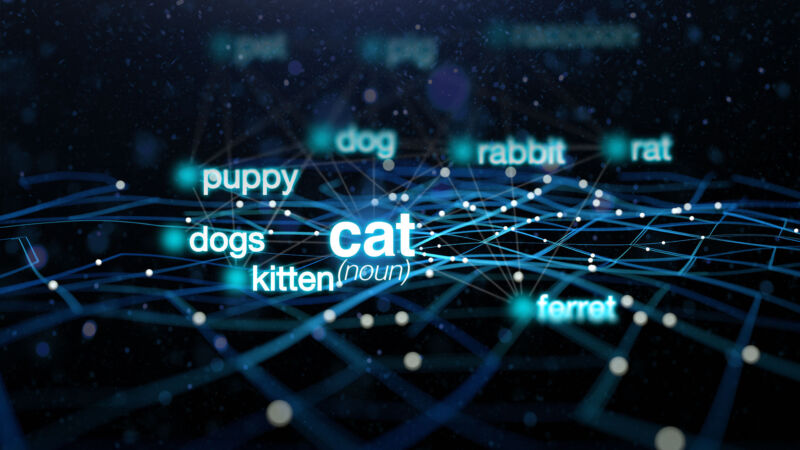
Large Language Models are massive black boxes, even for developers and researchers. However, this article peeks under the hood of chatbots like ChatGPT to explain how their mysterious brains actually work. It turns out words become numbers, neurons match patterns, and squirrel...
Read More
Google's new AI called RT-2 enables robots to understand concepts and instructions from text and images online. This allows the robots to take on new tasks without training, bringing us closer to adaptable helper robots.
Read MoreSomething went wrong
Something went wrong. Please, try again later