
The Digital Speaker series - teaser
Organizations should not only do digital but should be digital. Since you should practice what you preach, I have become digital myself.
Read More
Organizations should not only do digital but should be digital. Since you should practice what you preach, I have become digital myself.
Read More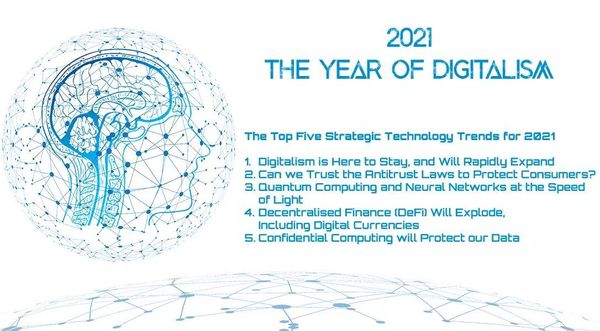
If there is one thing that 2020 taught us, forecasting which trends would define the next year remains a challenge. Very few would have believed me if I had written that by mid-2020, the majority of organisations would work from home. Nevertheless, several of the trends I predicted last
Read More
The year is nearly over, and it is time to look ahead what 2021 will have in store for us. With 2020 being the Year of Convergence, technology has geared up to have a profound impact on our lives.
Read More
Before September 2020, Polkadot was virtually unknown to the ordinary investors. By November 2020, it had a market cap of $5 billion. It has become the biggest conversation in blockchain technology. There are several good reasons for the massive interest in this blockchain. Top of these reasons is that it
Read More
Polkadot is an open-source multichain that facilitates interoperability between blockchains, and it will be a catalyst for decentralised apps (dApps). Some crypto pundits have nicknamed Polkadot as the ‘mother of all blockchains’.
Read More
The growth of the “gig economy” [https://www.forbes.com/sites/williamarruda/2020/07/12/6-trends-that-will-shape-the-gig-economy-in-the-2020s/] in recent years has revolutionised the way that millions of people work. Proponents argue that the gig economy gives people more flexibility and opportunities
Read More
Algorithmic management, as the name suggests, is the use of computer algorithms and artificial intelligence techniques to manage a team of human employees.
Read More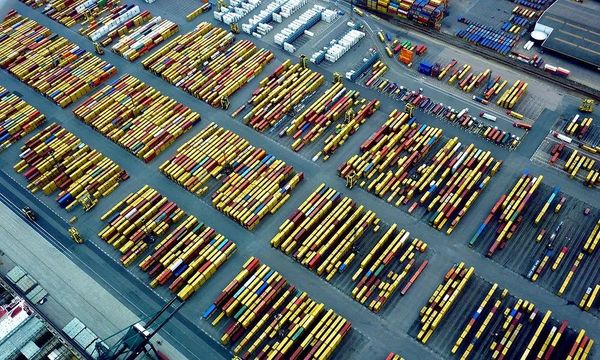
The pandemic has shown how vulnerable our supply chains [https://www.thedigitalspeaker.com/supply-chain-tomorrow-flexible-efficient-resilient/] are. A small interruption can bring a supply chain to a halt, which in today’s fast-paced world, is simply not acceptable. Customers are always expecting their product to arrive
Read More
Organisations around the world have to update and improve their supply chain processes continuously.
Read More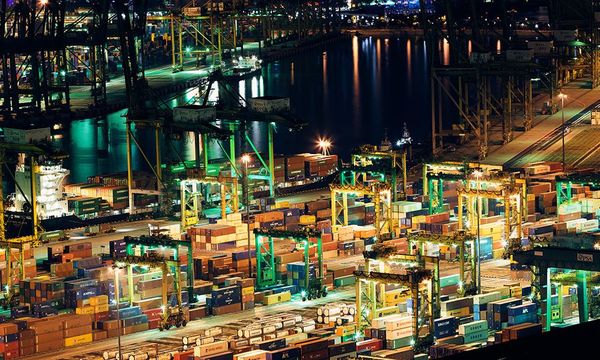
In today’s complex world, it is short of a miracle how we have been able to create global supply chains that move products across the globe at breakneck speed. However, the current pandemic has also shown how vulnerable our global supply chains are. Those companies who had not updated
Read MoreSomething went wrong
Something went wrong. Please, try again later