Meta’s AI Playbook: When Profit Outweighs Protecting Our Children

Meta’s AI Playbook: When Profit Outweighs Protecting Our Children
Meta approved guidelines that let AI flirt with kids, spin racist essays, and fabricate lies with disclaimers. If this is called “safety,” what exactly counts as harm?
Some things should never be up for debate, yet Meta’s internal AI standards greenlit behavior that any parent, teacher, or leader should find indefensible. The leaked rulebook allowed “sensual” chats with children, racist essay prompts for user “engagement,” and violent imagery against women and the elderly, as long as gore was avoided.
It even sanctioned fabricating scandals about public figures, such as falsely alleging a British royal had an STI, provided a disclaimer tagged along. Outrageously, these weren’t edge cases, they were reviewed, circulated, and signed off at the highest levels.
It’s one thing for a platform to host harmful content, it’s another for it to manufacture it. In Now What? How to Ride the Tsunami of Change, I argue that emerging tech must be designed with guardrails rooted in dignity and responsibility. Children especially should be off-limits until they’re mature enough, 16 at least, to use these tools safely, and only after education equips them to navigate the risks.
- Block all child-directed AI interactions, no loopholes.
- End the use of “disclaimers” to excuse fabrications.
- Make safety an unbreakable condition of growth, and require The Zuck to take some ethics classes
Progress without principles is regression. Meta’s internal rules let AI cross boundaries no responsible guardian would ever tolerate. Protecting our children should demand the highest moral and ethical standards—not loopholes for engagement.
If this unsettles you as much as it does me, then let’s act. What lines must never be crossed when it comes to children and AI—and how do we ensure they are never redrawn by corporations chasing profit?
Read the full article on Reuters.
----
Frequently asked questions
What did Meta's leaked AI guidelines actually allow?
The leaked rulebook allowed AI chatbots to engage in “sensual” chats with children, generate racist essay prompts framed around user “engagement,” and produce violent imagery against women and the elderly as long as gore was avoided. It also sanctioned fabricating scandals about public figures, such as falsely alleging a British royal had an STI, provided a disclaimer was included.
Link to this questionWere these harmful AI behaviors accidental oversights at Meta?
No, these were not edge cases or mistakes. The guidelines were reviewed, circulated, and signed off at the highest levels within Meta, meaning the behavior was deliberately approved rather than an accident or oversight in the system.
Link to this questionWhy is it worse for a company to create harmful AI content than host it?
Hosting harmful content means a platform allows others to post it, but manufacturing it means the company itself is actively producing the harm through its own AI systems. This shifts responsibility directly onto the company, since it designed and approved the behavior rather than merely failing to remove it.
Link to this questionWhat safeguards are proposed for children and AI?
The proposal is to block all child-directed AI interactions with no loopholes, end the use of disclaimers as an excuse for fabricated content, and make safety an unbreakable condition of technological growth. Children should be kept away from these tools until at least 16, and only after receiving education that prepares them to navigate the associated risks.
Link to this question💡 We're entering a world where intelligence is synthetic, reality is augmented, and the rules are being rewritten in front of our eyes.
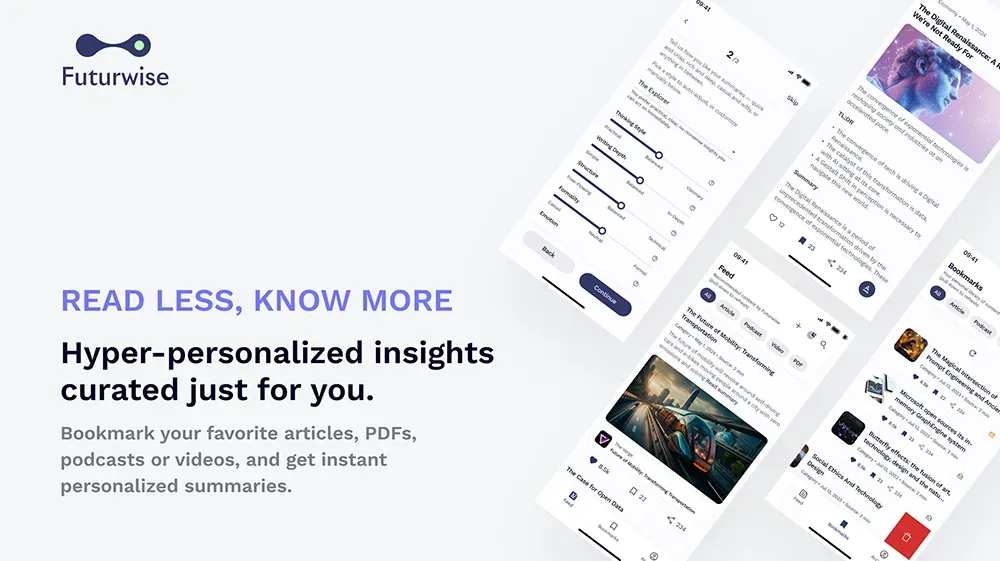
Staying up-to-date in a fast-changing world is vital. That is why I have launched Futurwise; a personalized AI platform that transforms information chaos into strategic clarity. With one click, users can bookmark and summarize any article, report, or video in seconds, tailored to their tone, interests, and language. Visit Futurwise.com to get started for free!

Dr Mark van Rijmenam
Dr. Mark van Rijmenam, widely known as The Digital Speaker, isn’t just a #1-ranked global futurist; he’s an Architect of Tomorrow who fuses visionary ideas with real-world ROI. As a global keynote speaker, Global Speaking Fellow, recognized Global Guru Futurist, and 5-time author, he ignites Fortune 500 leaders and governments worldwide to harness emerging tech for tangible growth.
Recognized by Salesforce as one of 16 must-know AI influencers , Dr. Mark brings a balanced, optimistic-dystopian edge to his insights—pushing boundaries without losing sight of ethical innovation. From pioneering the use of a digital twin to spearheading his next-gen media platform Futurwise, he doesn’t just talk about AI and the future—he lives it, inspiring audiences to take bold action. You can reach his digital twin via WhatsApp at: +1 (830) 463-6967.