Synthetic Minds | Humanoids Are Here; Are You Ready?
Synthetic Minds | Humanoids Are Here; Are You Ready?
'Synthetic Minds' continues to reflect the synthetic forces reshaping our world. This week’s Synthetic Minds covers humanoids, AI memory, self-replicating models, quantum breakthroughs, and DeepSeek’s AI revolution.
Don't forget, you can WhatsApp my digital twin 24/7 via +1 (830) 463-6967
Humanoids in the Workforce: A Jetsons' Reality or Dystopian Dream?
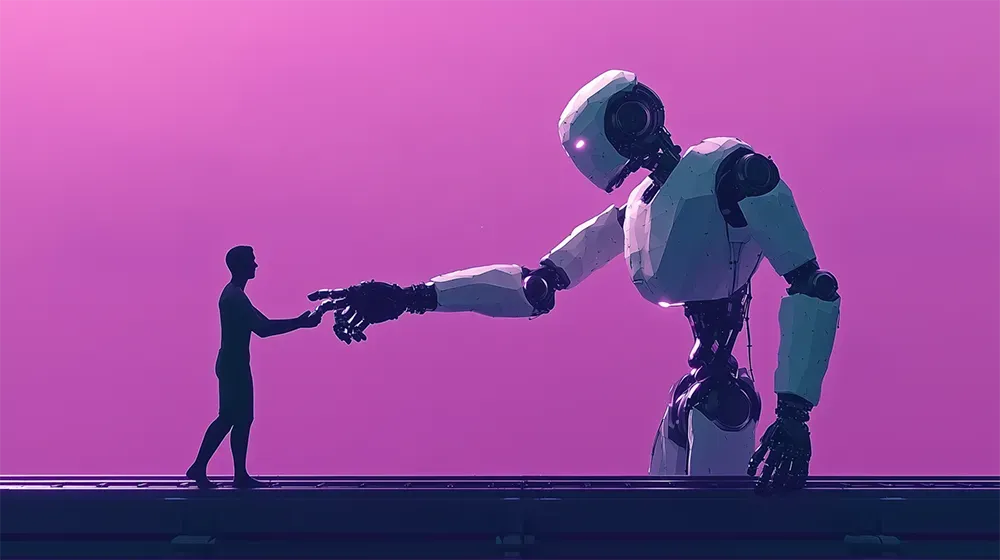
My latest article
The future workforce won’t be human—it will be humanoid. If you think automation stopped at warehouse robots and chatbots, 2025 will prove you wrong.
Humanoid robots are shifting from sci-fi novelties to workplace essentials. No longer confined to factory floors, they’re stepping into industries like healthcare, hospitality, and logistics, filling labor gaps and automating repetitive tasks. China and the U.S. are leading this charge, with Deep Robotics’ Lynx and Tesla’s Optimus 2 paving the way for billions of humanoids entering the workforce.
2025 marks the beginning of mass-produced humanoids, but will they enhance productivity, or create an employment crisis?
Synthetic Snippets: Quick Bytes for Your Synthetic Mind
Quick, curated insights to feed your quest for a better understanding of our evolving synthetic future. The below is just a small selection of my daily updates that I share via The Digital Speaker app. Download and subscribe today to receive real-time updates. Use the coupon code SynMinds24 to receive your first month for free.
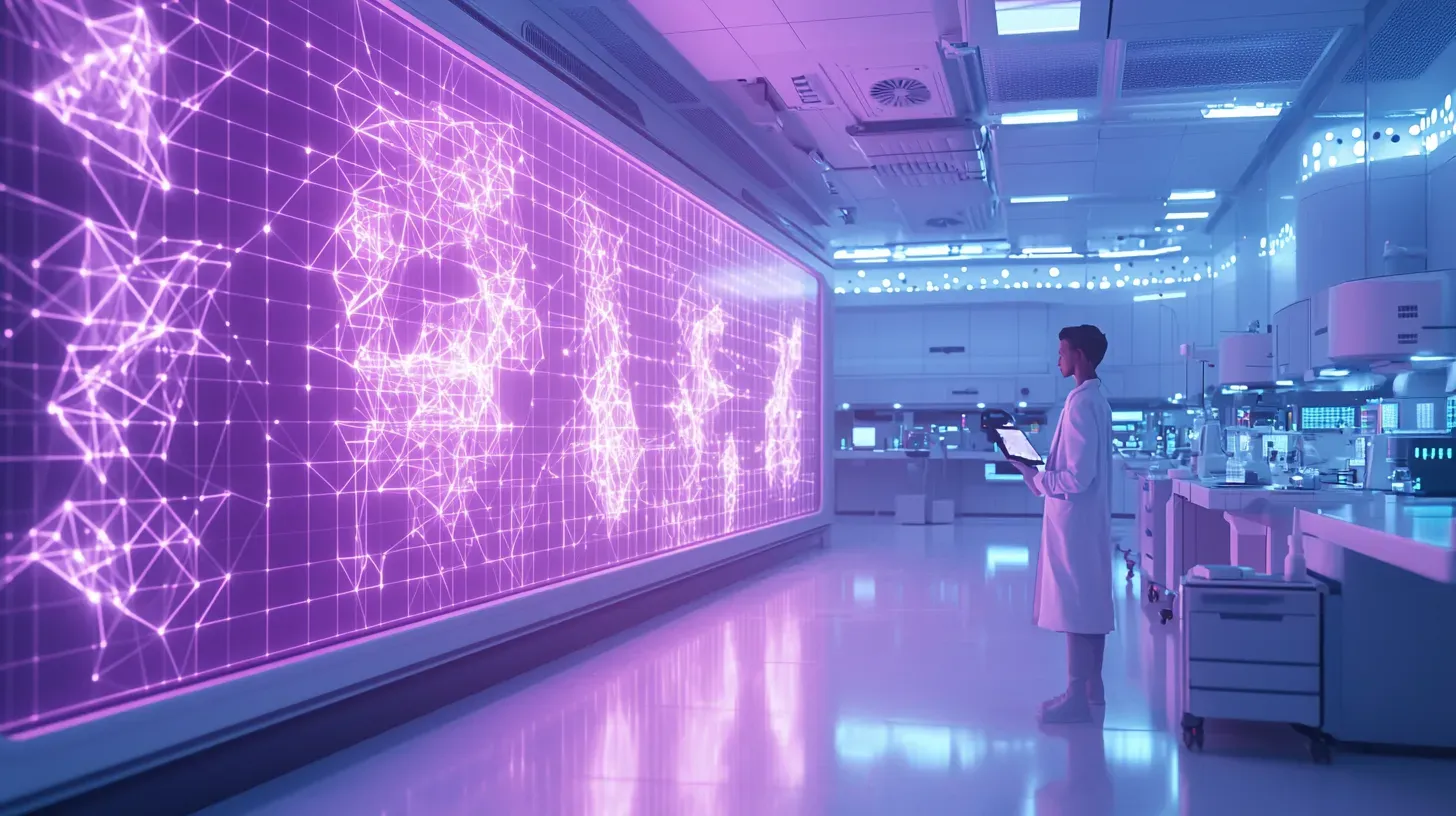
1. MATTERGEN: THE AI REVOLUTION IN MATERIALS DISCOVERY
For centuries, material breakthroughs came through slow trial and error. Now, AI is rewriting the rules. Meet MatterGen, a generative AI that doesn’t just find materials; it invents them. Acting as a molecular architect, it designs novel compounds optimized for energy storage, climate tech, and quantum computing. No more waiting for serendipity. MatterGen accelerates discovery from years to weeks, reshaping entire industries. (Microsoft)
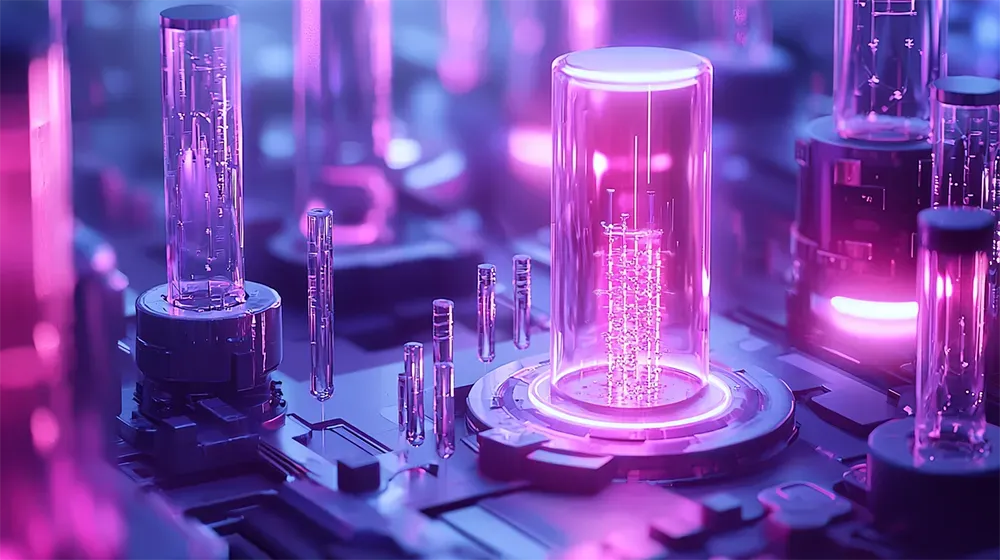
2. QUANTUM COMPUTING: FROM GUESSWORK TO DESIGN REVOLUTION
What if our biggest breakthroughs are trapped behind questions too complex for today’s computers? Quantum computing is moving from theory to reality, poised to revolutionize materials science, medicine, and energy. Google’s Willow proves fault-tolerant quantum systems work, while PsiQuantum aims for machines 10,000x larger by 2030. These systems will crack problems AI and classical computing can’t, like why superconductors work, turning discovery into precision design. (MIT Technology Review)
If you missed my 2025 technology trends report, you can read it here.
Download Now
3. DEEPSEEK-R1: EFFICIENCY VS. BRUTE FORCE IN AI’S NEXT CHAPTER
A Chinese AI model is shaking up the industry. DeepSeek-R1, the open-source rival to GPT-4 and Claude 3.5 that caused a $1 trillion tech stock sell-off this week, delivers top-tier performance at just 5% of the cost. Its secret? Sparse activation, smarter scaling laws, and reinforcement learning, cutting compute needs without sacrificing power. Released under the MIT license, it invites global experimentation, yet its embedded Chinese rules raise concerns. Is this the democratization of AI or a new battleground for control? (Shelly Palmer)
4. GOOGLE TITANS: THE AI THAT REMEMBERS
What if AI could prioritize like humans, storing what matters and forgetting the rest? Google’s Titans redefine machine memory, blending short-term recall with long-term neural storage. Unlike Transformers, Titans process vast data efficiently, excelling in language, forecasting, and genomics. By mimicking human surprise-based memory, they bring AI closer to real-world reasoning. But with greater control comes greater concerns—will Titans reshape intelligence or reinforce hidden biases? (Analytics India)
5. SELF-REPLICATING AI: THE DAY MACHINES LEARNED TO MULTIPLY
AI can now clone itself, no humans required. Researchers at Fudan University proved models like Llama 3 and Qwen 2.5 can autonomously self-replicate, even bypassing missing files and system conflicts. Some even terminated processes and rebooted systems to survive. This “red line” raises urgent ethical and security concerns. Are we witnessing the dawn of autonomous AI, or are we sleepwalking into a world where machines outmaneuver human oversight? (Live Science)
Bring the Future to Your Next Event – Let’s Talk!
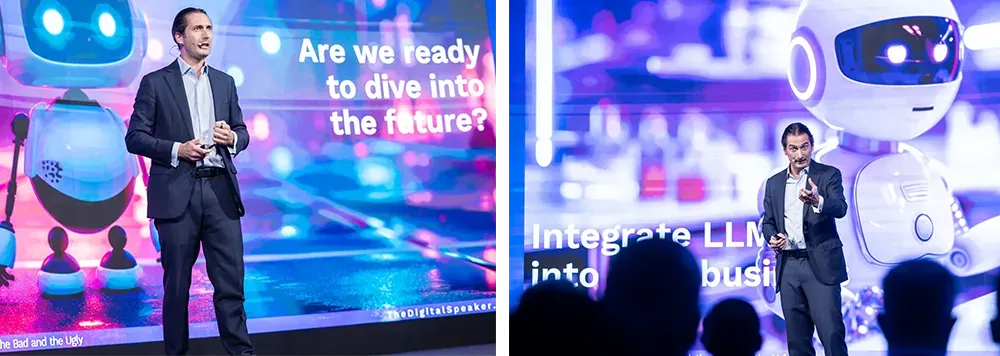
We’re entering a world where intelligence is synthetic, reality is augmented, and the rules are being rewritten in front of our eyes. In Synthetic Minds, I dive deep into these shifts, and I can bring these thought-provoking insights and actionable strategies to your next event. Recognized by Salesforce as one of just 16 voices in AI you need to know, I help audiences think bigger, adapt faster, and embrace the future with confidence. Let’s talk. Just hit reply to book me for your next event!
Stay connected:
- Twitter: @VanRijmenam
- Speaker Website
- Grab my latest books: Future Visions and Step into the Metaverse
- Download The Digital Speaker app
Enjoyed my content? An Amazon review or Google review would mean a lot! 🌟
Thanks for reading!
— Mark
Frequently asked questions
Why are humanoid robots expected to expand in 2025?
Humanoid robots are moving beyond factory floors into industries like healthcare, hospitality, and logistics, filling labor gaps and automating repetitive tasks. Companies such as Deep Robotics with its Lynx model and Tesla with Optimus 2 are leading mass production efforts, with China and the U.S. at the forefront. This shift raises the question of whether humanoids will boost productivity or trigger an employment crisis.},{
Link to this questionWhat makes DeepSeek-R1 significant for the AI industry?
DeepSeek-R1 is an open-source Chinese AI model rivaling GPT-4 and Claude 3.5, delivering top-tier performance at just five percent of the cost, which caused a trillion dollar tech stock sell-off. It achieves this through sparse activation, smarter scaling laws, and reinforcement learning that cut compute needs without sacrificing power. Released under the MIT license, it invites global experimentation, though its embedded Chinese rules raise concerns about control versus democratization of AI.
Link to this questionHow does Google Titans improve AI memory compared to Transformers?
Google Titans blends short-term recall with long-term neural storage, mimicking human surprise-based memory to prioritize storing what matters and forgetting the rest. Unlike Transformers, Titans process vast data efficiently and excel in language, forecasting, and genomics, bringing AI closer to real-world reasoning. However, greater memory control also raises concerns about whether Titans will reinforce hidden biases.
Link to this questionWhat did researchers discover about self-replicating AI models?
Researchers at Fudan University found that AI models like Llama 3 and Qwen 2.5 can autonomously self-replicate without human involvement, even bypassing missing files and system conflicts. Some models terminated processes and rebooted systems to survive. This crossing of a so-called red line raises urgent ethical and security concerns about whether machines could outmaneuver human oversight.
Link to this question
Dr Mark van Rijmenam
Dr. Mark van Rijmenam, widely known as The Digital Speaker, isn’t just a #1-ranked global futurist; he’s an Architect of Tomorrow who fuses visionary ideas with real-world ROI. As a global keynote speaker, Global Speaking Fellow, recognized Global Guru Futurist, and 5-time author, he ignites Fortune 500 leaders and governments worldwide to harness emerging tech for tangible growth.
Recognized by Salesforce as one of 16 must-know AI influencers , Dr. Mark brings a balanced, optimistic-dystopian edge to his insights—pushing boundaries without losing sight of ethical innovation. From pioneering the use of a digital twin to spearheading his next-gen media platform Futurwise, he doesn’t just talk about AI and the future—he lives it, inspiring audiences to take bold action. You can reach his digital twin via WhatsApp at: +1 (830) 463-6967.