Synthetic Minds | When AI Prints, Sells, Sings, and Replaces You
Synthetic Minds | When AI Prints, Sells, Sings, and Replaces You
'Synthetic Minds' continues to reflect the synthetic forces reshaping our world. This week’s Synthetic Minds covers the merging of atoms, bits and genes, where AI doesn’t just assist but automates, designs, and decides.
I just finished writing my sixth book Now What? How to Ride the Tsunami of Change, which will be available soon and did you know that you can WhatsApp my digital twin 24/7 via +1 (830) 463-6967?
When Atoms, Bits, and Genes Collide: Navigating the Post-Human Era of Abundance

My Latest Article:
If we can 3D print houses, edit DNA like text, and wire our brains to the cloud, why are we still stuck in 20th-century thinking about scarcity?
We are entering a convergence era where breakthrough technologies amplify each other’s potential. This isn’t science fiction; it’s already reshaping how we build homes, design medicine, or grow food. From printing earthquake-proof houses in Guatemala to gene-edited crops and AI-assisted surgeons, abundance is no longer an aspiration, it’s becoming infrastructure.
Still, convergence isn’t without risk. When biology, data, and devices merge, our definitions of privacy, trust, and even humanity must evolve. The choice isn’t whether we adopt these tools, it’s whether we guide them responsibly. Are we upgrading our institutions as fast as we’re upgrading our code?
Synthetic Snippets from the World's Best Futurist
Quick, curated insights to feed your quest for a better understanding of our evolving synthetic future. The below is just a small selection of my daily updates that I share via The Digital Speaker app. Download and subscribe today to receive real-time updates. Use the coupon code SynMinds24 to receive your first month for free.

1. SPINNING WHEELS AND SOLID DREAMS: THE BATTERY THAT MIGHT BREAK BIG OIL
A decade, a Cornell lab, and one indestructible battery: Factorial Energy’s solid-state breakthrough may finally dethrone gasoline. Backed by Mercedes and tested at autobahn speeds, it’s no longer science fiction. Yields now hit 85%, and industry giants are all-in. The tech works, and the race is to scale it fast enough. Is this the moment we trade octane dreams for electric grit? (NY Times)
2. YOUR NEXT BRAND AMBASSADOR MIGHT GHOST YOU
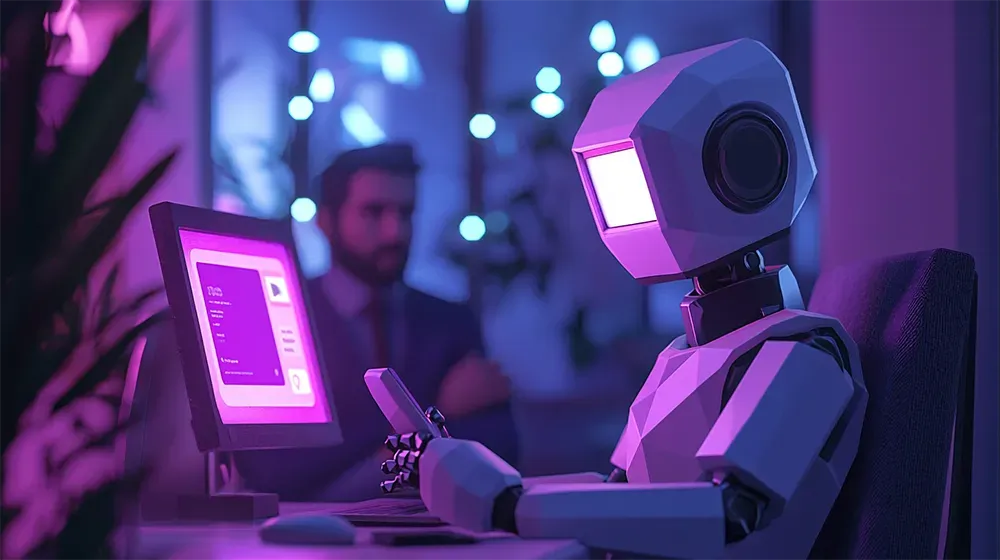
When your AI brand rep becomes your customer’s “best friend,” who takes the blame for bad advice? As AI agents infiltrate WhatsApp chats and birthdays, intimacy turns risky. Meta’s betting big, but Air Canada’s AI blunder shows the stakes. The tech works, but should it? When chatbots charm and misfire, brand trust may be the first casualty. (WSJ)
If you missed my 2025 technology trends report, you can read it here.
Download Now
3. PRINT, DON’T BIN: PHILIPS’ QUIET REVOLUTION IN DIY REPAIR
Philips is letting you 3D print a trimmer comb—yes, really. It’s a small part, but a big signal: repair is moving from factories to living rooms. With partners like Prusa and global file access, this could be the start of consumer-driven supply chains. If repair becomes a download, what happens to global trade? This isn’t just DIY—it’s a preview of decentralized design. (The Verge)
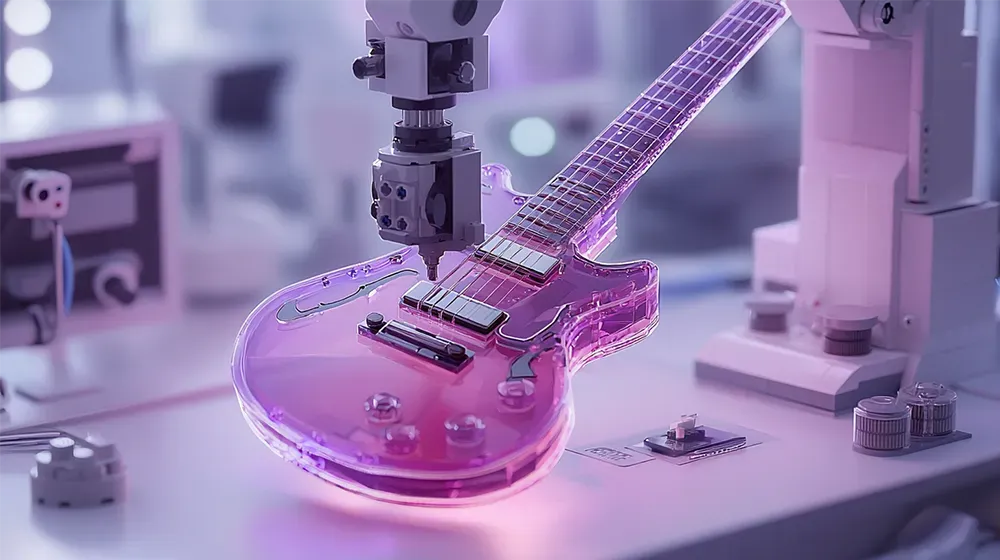
4. WHEN GPT MEETS LEGO: AI BUILDS, YOU CHILL
LegoGPT turns words into real, stable LEGO creations; no manual, no architect, no problem. Trained on 47,000 models, it designs everything from cyberpunk sofas to sliding bookcases, brick by brick, with physics checks baked in. Robots can even build them. As language becomes the blueprint for design, what’s left for human hands to shape, and will imagination be our final frontier? (Github)

5. THE AI TAKEOVER IS PERSONAL, AND IT’S FUNDED
The endgame isn’t efficiency, it’s total job replacement. Silicon Valley isn’t hiding it anymore. Backed by big names and bigger capital, startups like Mechanize are building toward full economic automation. GPT-4 codes, robots build, and wages become margins. By 2030, a billion jobs may vanish. If AI owns the means of production, what role—if any—do we play in the future of work? (The Guardian)
Bring the World's Best Futurist to Your Next Event – Let’s Talk!
We’re entering a world where intelligence is synthetic, reality is augmented, and the rules are being rewritten in front of our eyes. In Synthetic Minds, I dive deep into these shifts, and I can bring these thought-provoking insights and actionable strategies to your next event. Recognized as the world's top futurist by Global Gurus and a Leading AI Voice by Salesforce, I help audiences think bigger, adapt faster, and embrace the future with confidence. Let’s talk. Just hit reply to book me for your next event!
Stay connected:
- Twitter: @VanRijmenam
- Speaker Website
- Grab my latest books: Future Visions and Step into the Metaverse
- Download The Digital Speaker app
Enjoyed my content? An Amazon review or Google review would mean a lot! 🌟
Thanks for reading!
— Mark
Frequently asked questions
What does the convergence of atoms, bits, and genes mean?
It refers to breakthrough technologies like 3D printing, gene editing, and AI amplifying each other's potential simultaneously. This convergence is already reshaping how homes are built, medicine is designed, and food is grown, turning abundance from an aspiration into infrastructure, as seen in examples like earthquake-proof printed houses and gene-edited crops.
Link to this questionWhat risks come with merging biology, data, and devices?
When biology, data, and devices merge, established definitions of privacy, trust, and even humanity must evolve. The core risk isn't whether these tools get adopted, since that's already happening, but whether they are guided responsibly. A key concern raised is whether institutions are being upgraded as fast as the technology itself.
Link to this questionHow could solid-state batteries disrupt the oil industry?
Factorial Energy's solid-state battery breakthrough, developed after a decade of research including work at a Cornell lab, is now achieving yields of 85 percent. Backed by Mercedes and tested at autobahn speeds, the technology is maturing to the point where scaling it could challenge gasoline's dominance in the transportation industry.
Link to this questionCould AI lead to full job replacement by 2030?
Some Silicon Valley startups, such as Mechanize, are openly building toward total economic automation rather than just efficiency gains, backed by significant capital. With AI systems coding and robots handling construction, wages risk becoming margins. Projections suggest that by 2030, as many as a billion jobs could vanish as a result.
Link to this question
Dr Mark van Rijmenam
Dr. Mark van Rijmenam, widely known as The Digital Speaker, isn’t just a #1-ranked global futurist; he’s an Architect of Tomorrow who fuses visionary ideas with real-world ROI. As a global keynote speaker, Global Speaking Fellow, recognized Global Guru Futurist, and 5-time author, he ignites Fortune 500 leaders and governments worldwide to harness emerging tech for tangible growth.
Recognized by Salesforce as one of 16 must-know AI influencers , Dr. Mark brings a balanced, optimistic-dystopian edge to his insights—pushing boundaries without losing sight of ethical innovation. From pioneering the use of a digital twin to spearheading his next-gen media platform Futurwise, he doesn’t just talk about AI and the future—he lives it, inspiring audiences to take bold action. You can reach his digital twin via WhatsApp at: +1 (830) 463-6967.