Trucking Company US Xpress Drives Efficiency With Big Data
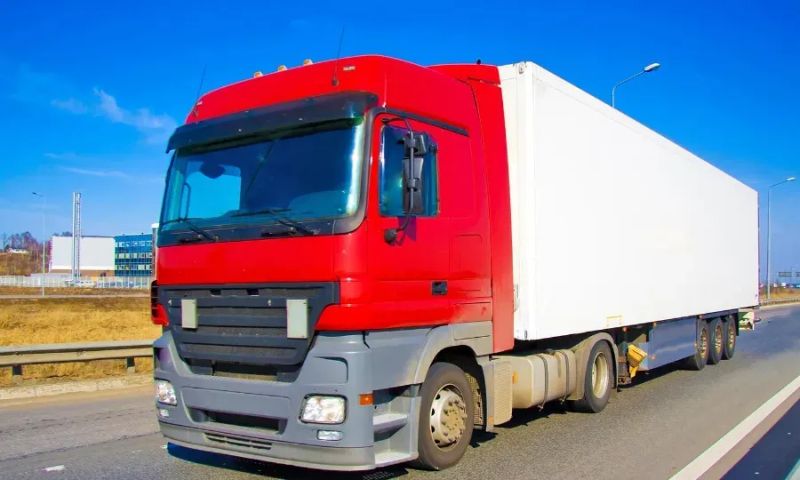
Trucking Company US Xpress Drives Efficiency With Big Data
How do you make a snapshot of a large trucking company to understand what is going on in the organisation? By combining 900 different data elements from 10.000s trucking systems such as sensors for petrol usages, tyres, brakes, engine operations, geo-spatial data and driver comments across a fleet of 8.000 tractors and 22.000 trailers into one Hadoop Database and analyse it in real-time to optimize what you are doing. Sounds difficult? You are probably right, but US Xpress from Chattanooga, Tenn. did just that and with successfully using 100s of billions of data records they managed to save over $ 6 million a year. How did they do this?
When they started in 2009, their IT environment was scattered over 130 different databases. Their employees even managed to enter 178 different ways of writing Wal-Mart. They had 90 mainframe screens to look at and doing a query on this data took weeks or months. In other words, their data was a mess and useless. It needed to be cleaned and combined before it could be used at all to improve efficiency and save money. That’s why they went for a one-stop solution that would combine all different data streams into one interface; the DriverTech system.
All data from the 10.000s sensors came in real-time and in order to be useful needed to be processed, analysed and reported back in real-time as well. This is when the DriverTech system was developed. With the real-time data, US Xpress was able to understand how the drivers were driving, why some trucks were standing still with the engines running, how they could reduce fuel consumption and even where all this happened. The Geospatial analysis that US Xpress performs allows them to monitor in real-time what is going on and minimize any downtime, as they know when a truck arrives at the depot for maintenance or re-loading. Analysing the idle time of truckers actually led to a fuel-saving of $ 20 million in the first year, because they could better control why trucks were running idle on its engine and could take corrective action on those drivers who were too often on idle.
Of course, all the truck data is not the only data they store. US Xpress combines this machine data with unstructured data of drivers talking on trucker blogs about the DriverTech interface that is used inside the cabin. This allows US Xpress to update in a very short timeframe when issues arise with a new release, especially if it is combined with records about how the interface is used by the drivers. When at a certain moment the new touchscreen buttons appeared to be too small, they found out about it and could update it in quickly, instead of weeks.
An important aspect of managing the fleet is the mobile aspect of it. All fleet managers who control dozens of trucks have an iPad that gives them in real-time the data they need to know about their trucks. Nowadays, US Xpress actually owns a private in-store App store where drivers can purchase different apps for different needs. The most important aspect of this is that truck managers and drivers have all the necessary information at their fingertips in real-time while on the road.
In order to move from a data-poor organisation to an information-centric organisation they came-up with a 36-month information management strategy including 13 strategic projects that were implemented after each other. They used the success of the first project to build the rest of the projects on top of that to keep the flow moving. It is clear that US Xpress developed and executed a big datastrategy as it should be and it did them no harm. In fact they have won several technology awards such as the Ventana Leadership Award in 'Overall IT Leadership'. Not a bad achievement for a trucking company.
Image Credit: vibrantimage/Shutterstock
Frequently asked questions
How did US Xpress use big data to cut costs?
US Xpress combined 900 different data elements from sensors monitoring petrol usage, tyres, brakes, engine operations, geo-spatial data and driver comments across a fleet of 8,000 tractors and 22,000 trailers into one Hadoop database, analysing it in real-time. This allowed them to optimize operations and save over $6 million a year.
Link to this questionWhat problems did US Xpress face before adopting big data?
Before their data overhaul starting in 2009, US Xpress had an IT environment scattered over 130 different databases, with employees entering 178 different ways of writing Wal-Mart. They had 90 mainframe screens to check, and running a query on the data took weeks or months, making the data essentially useless for improving efficiency.
Link to this questionWhat is the DriverTech system used for?
The DriverTech system is a one-stop solution that combines different data streams from tens of thousands of sensors into one interface. It processes, analyses and reports real-time data, allowing US Xpress to understand driver behaviour, identify why trucks idled with engines running, reduce fuel consumption, and monitor where issues occurred.
Link to this questionWhy does analysing idle time matter for trucking companies?
Analysing the idle time of truckers led to a fuel-saving of $20 million in the first year for US Xpress, because the company could better understand why trucks were running idle on their engines and take corrective action on drivers who idled too often, directly reducing unnecessary fuel consumption.
Link to this question
Dr Mark van Rijmenam
Dr. Mark van Rijmenam, widely known as The Digital Speaker, isn’t just a #1-ranked global futurist; he’s an Architect of Tomorrow who fuses visionary ideas with real-world ROI. As a global keynote speaker, Global Speaking Fellow, recognized Global Guru Futurist, and 5-time author, he ignites Fortune 500 leaders and governments worldwide to harness emerging tech for tangible growth.
Recognized by Salesforce as one of 16 must-know AI influencers , Dr. Mark brings a balanced, optimistic-dystopian edge to his insights—pushing boundaries without losing sight of ethical innovation. From pioneering the use of a digital twin to spearheading his next-gen media platform Futurwise, he doesn’t just talk about AI and the future—he lives it, inspiring audiences to take bold action. You can reach his digital twin via WhatsApp at: +1 (830) 463-6967.