The Big Shift: Racing Towards a Data-Driven Renaissance
The Big Shift: Racing Towards a Data-Driven Renaissance
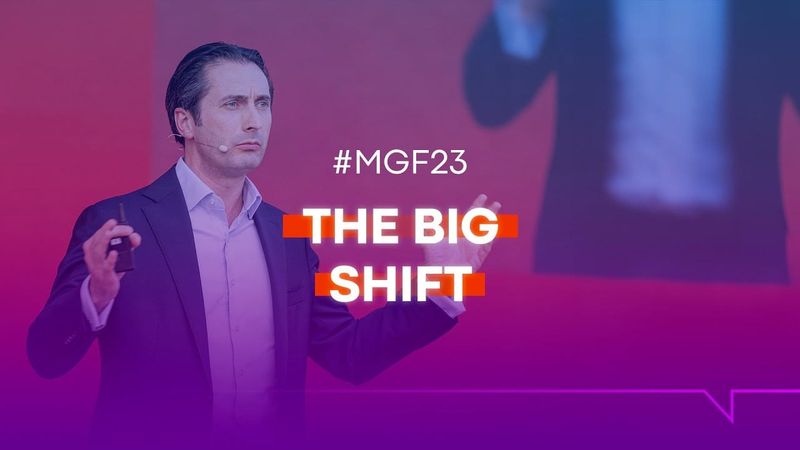
Last year, I delivered a talk at Misk Global on how to navigate 𝗧𝗵𝗲 𝗕𝗶𝗴 𝗦𝗵𝗶𝗳𝘁, where AI will disrupt society in ways we cannot yet imagine.
The Big Shift - Misk Global 2023
In this era of rapid technological evolution, I outlined a future where every individual and organization will become an integral part of vast data networks, transforming industries and societal frameworks at an unprecedented pace.
I emphasized the emergence of autonomous AI agents that will soon negotiate life's nuances on our behalf, marking a significant leap in how we interact with technology and each other.
The Digital Renaissance
As we approach 𝘁𝗵𝗶𝘀 𝗱𝗶𝗴𝗶𝘁𝗮𝗹 𝗿𝗲𝗻𝗮𝗶𝘀𝘀𝗮𝗻𝗰𝗲, I stressed the importance of adaptability, strategic foresight, and digital literacy. These are not just buzzwords but essential skills to thrive in an era where change is the only constant and even exponential The jobs students train for now may not exist upon graduation. Technologies created today will impact society for decades, so we must think long-term.
I advocated for a proactive approach to this shift, encouraging a deep understanding of data's pivotal role in our future. It's about embedding 'smartness' in everything we do, ensuring that as we leverage AI and data, we do so with a keen sense of responsibility and ethical consideration.
AI is a revolutionary technology that can make autonomous decisions, completely changing society. To prepare, we must stay knowledgeable about these changes and get our data in order. We need to become "fluent" in the language of data to navigate the future.
The crux of my message was clear: as we stand on the brink of this transformative era, it's imperative to not only embrace the potential of emerging technologies but also to vigilantly mitigate their risks.
Sleepwalked Into the Digital Age
I believe we have "sleepwalked" into the digital age without fully understanding it, enabling problems like fake news. He predicts 2024 will see a rise in dangerous "deep fakes." We must educate ourselves, verify sources, and regulate AI to counteract these risks.
Therefore, I called for a balanced approach, one that harnesses the power of AI and data while steadfastly upholding our ethical values, ensuring that technology amplifies our human essence rather than diminishes it.
As I reflect on that talk, the urgency to prepare for the big shift remains more relevant than ever. It's a call to action for every one of us to become informed, agile, and ethically grounded as we chart our course through this uncharted digital landscape
In this data-driven age, data rights are as fundamental as civil rights. If we prepare properly for the coming "big shift", we can build a thriving digital future.
As we stand on the brink of this transformation, a crucial question arises: How can we, as leaders, educators, and innovators, equip ourselves and others to not only survive but flourish in this new era, ensuring that technology serves as a beacon of progress and not a source of division?
Frequently asked questions
What is meant by the term "The Big Shift"?
The Big Shift describes a future era in which AI and vast data networks will disrupt society in ways not yet imaginable. Every individual and organization becomes part of these data networks, transforming industries and societal frameworks at an unprecedented pace, while autonomous AI agents begin negotiating life's nuances on our behalf.
Link to this questionWhy does digital literacy matter in the coming digital renaissance?
Digital literacy, alongside adaptability and strategic foresight, is essential because change is happening at an exponential rate. Jobs students train for now may not exist by graduation, and technologies created today will shape society for decades. Becoming fluent in the language of data helps people navigate this uncertain, fast-changing future responsibly.
Link to this questionWhat risks come from having sleepwalked into the digital age?
Sleepwalking into the digital age without fully understanding it has enabled problems like fake news to spread. Looking ahead, there is a predicted rise in dangerous deep fakes. Countering these risks requires educating ourselves, verifying sources, and regulating AI so technology does not undermine trust or societal stability.
Link to this questionWhy are data rights described as equivalent to civil rights?
In a data-driven age, data rights are considered as fundamental as civil rights because so much of life and identity becomes embedded in data networks. Properly preparing for the big shift and safeguarding these rights is presented as essential to building a thriving digital future rather than one marked by division.
Link to this question
Dr Mark van Rijmenam
Dr. Mark van Rijmenam, widely known as The Digital Speaker, isn’t just a #1-ranked global futurist; he’s an Architect of Tomorrow who fuses visionary ideas with real-world ROI. As a global keynote speaker, Global Speaking Fellow, recognized Global Guru Futurist, and 5-time author, he ignites Fortune 500 leaders and governments worldwide to harness emerging tech for tangible growth.
Recognized by Salesforce as one of 16 must-know AI influencers , Dr. Mark brings a balanced, optimistic-dystopian edge to his insights—pushing boundaries without losing sight of ethical innovation. From pioneering the use of a digital twin to spearheading his next-gen media platform Futurwise, he doesn’t just talk about AI and the future—he lives it, inspiring audiences to take bold action. You can reach his digital twin via WhatsApp at: +1 (830) 463-6967.