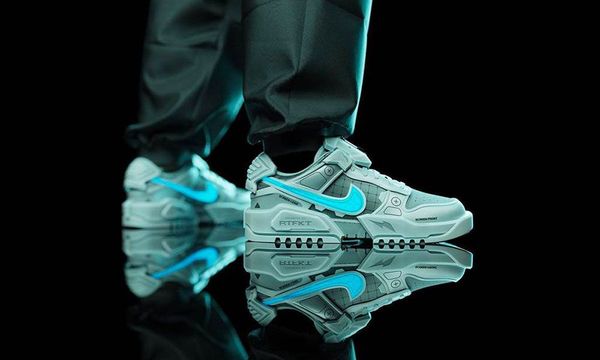
NFTs and Luxury Brands: How Blockchain Technology is Transforming the Luxury Industry
NFTs offer great opportunities for the luxury industry, from disrupting every aspect of luxury retail to brand authenticity & customer loyalty.
Read More
NFTs offer great opportunities for the luxury industry, from disrupting every aspect of luxury retail to brand authenticity & customer loyalty.
Read More
This week's f(x)=e^x newsletter discusses the impact of 5G technology on business, robots helping dementia patients, a quantum internet, what the HTML of the metaverse will be and whether AI can prevent the next pandemic.
Read More
The new 5G era has already begun and is expected to become one of the largest business opportunities of the new decade. In this article, we will explore the impact of 5G on the current business landscape.
Read More
This week's f(x)=e^x newsletter discusses why cybersecurity is more important than ever before, how scientists are turning brainwaves into images, how blockchain will transform the hotel industry, a large AR trail, and what octopuses can tell us about conscious machines.
Read More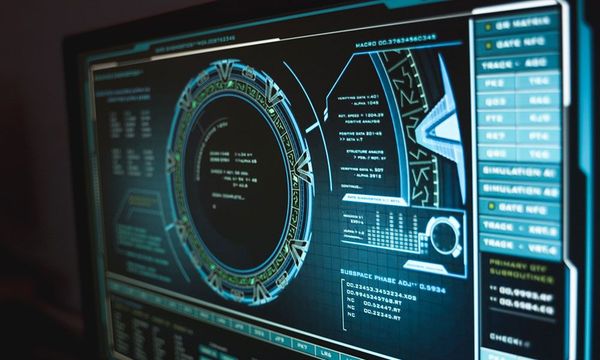
One of the most important factors for today's organisations is their ability to identify and combat cyber threats, but how is cybersecurity changing technology today, who is affecting it, and why does it matter?
Read More
This week's f(x)=e^x newsletter discusses how data storytelling and visualisations can improve customer experience, as well as a Chinese supercomputer, Google robots that look like us and exponential growth in blockchain jobs.
Read More
Have you wondered why data storytelling is important? Data storytelling and visualisation for insurance companies should be used to build confidence and trust in the audience, demonstrate expertise, or highlight successes.
Read More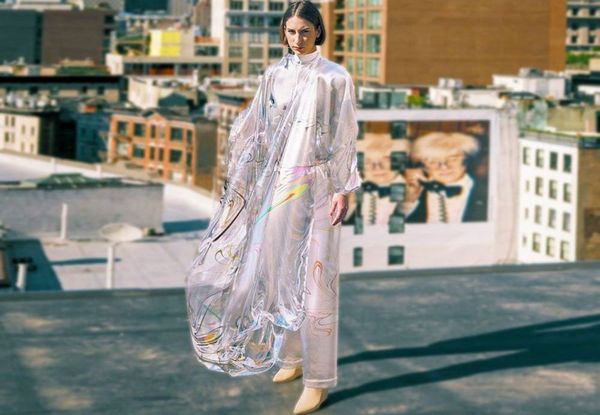
This week's f(x)=e^x newsletter discusses the next frontier in fashion: digital fashion and how it will change an industry. It also covers really fast internet, AI that learns to fly and a cockroach-AI love story.
Read More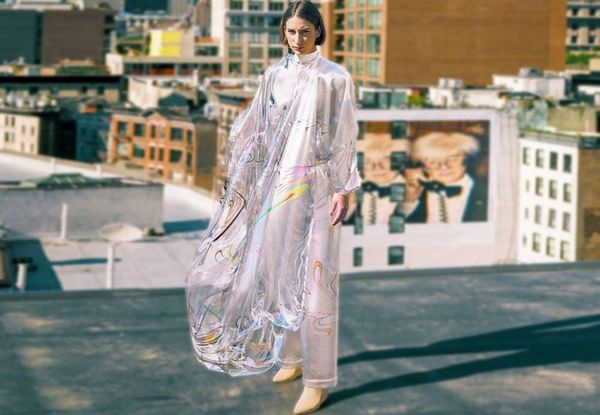
Digital fashion is a world without the need for fabric, sewing, and clothing. Instead, virtual fashion is making new designs using data and AI. What are the advantages of virtual reality for fashion? Is virtual fashion truly possible? Can a virtual outfit make us look better?
Read More
This week's f(x)=e^x newsletter discusses the challenges and opportunities of moving to a tokenized economy, 200 million proteins analyzed by AI, the Dubai metaverse, and the age of brain-computer interfaces.
Read MoreSomething went wrong
Something went wrong. Please, try again later