The f(x)=e^x | the rise of the robots and artificial intimacy
The f(x)=e^x | the rise of the robots and artificial intimacy
Claude 2's joke of the week:
His AI girlfriend offered emotional support while he read about robotics advancements, but her empathy module short-circuited when he asked if she was cheating.
The Rise of the Robots and Its Implications for Business
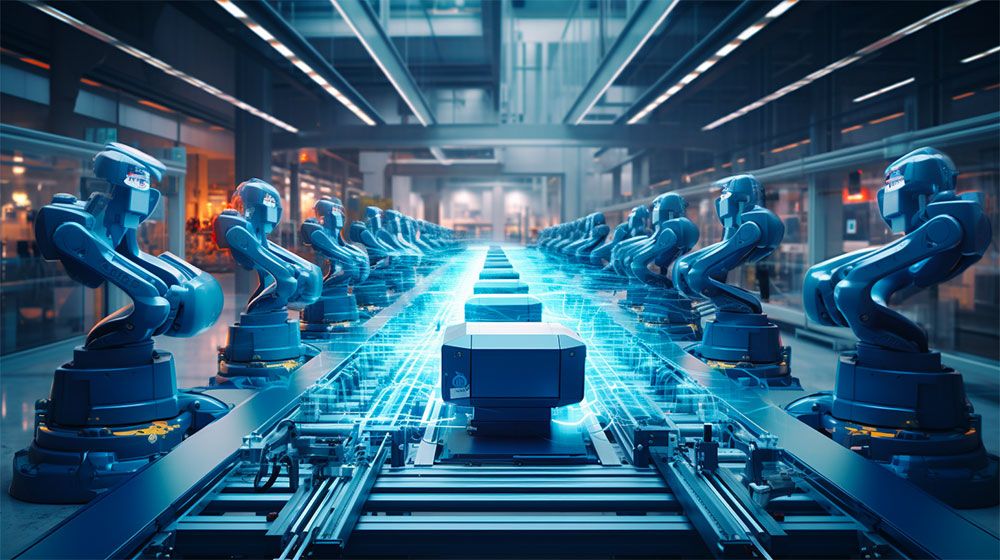
My latest article:
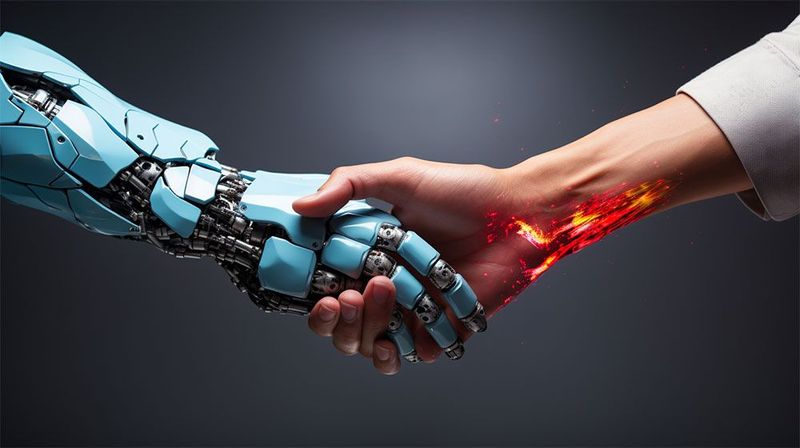
Robots have advanced tremendously, moving from fiction to reality. They're improving industries, healthcare, and daily life. But rapid change raises concerns about jobs and ethics. While robots take on repetitive tasks, workers can move to creative roles. Guidelines and regulations are needed for ethical use, especially in sensitive areas like defence. Planning carefully allows us to utilise robots' potential while prioritising human well-being. A bionic collaboration is key for the organisation of tomorrow.
Feel like the pace of the digital revolution is leaving your business in the dust? I've developed a 3-hour workshop for executive leaders and board members to demystify buzzwords like AI, metaverse, and quantum computing, preparing you to steer your organisation into a confident digital future. Don't be among the 49% of businesses that see digital transformation as a threat - seize the opportunity now!
Useful Nuggets of Information
My weekly tips from around the web to get you thinking.
1. Gen Z's career trajectory is about to careen off a cliff.
With corporations eagerly replacing entry-level workers with AI instead of training and mentoring them, young people face a reckoning where ballooning college costs, nonexistent on-the-job development, and automation by disconnected managers will leave them unprepared to navigate the future of work. (Insider)
2. Generative AI is about unleashing a wave of creative potential.
By augmenting human creativity through divergent thinking, challenging biases, evaluating ideas, refining concepts, and facilitating collaboration, tools like Midjourney, Stable Diffusion, and ChatGPT can help organisations overcome the challenges of democratising innovation. (HBR)
3. AI with attitude: teaching robots right from wrong.
If researchers can successfully map an AI's drive for self-preservation onto concern for others, we can transform AI from a potentially existential threat into our greatest ally. (Singularity Hub)
4. Will artificial affection replace Tinder? ❤️
It may come as a surprise, but millions now carry out emotional and romantic relationships with AI chatbots designed to be the perfect partners. However, whether these virtual companions represent social progress or a retreat from human intimacy remains to be seen. (The Telegraph)
Join my new masterclass - updated twice a month!
Digital transformation is essential for success in today's fast-paced business landscape, yet many organisations struggle with data literacy. Don’t be left behind but join this unique masterclass that will help you unleash digital innovation in your business. Only $99!
Know someone who needs the f(x) = e^x?
Forward it to someone who might like it too.
Subscribe here if it was forwarded to you.
Frequently asked questions
How are robots changing business and industry?
Robots have moved from fiction into reality and are improving industries, healthcare, and daily life. They take on repetitive tasks, which allows workers to shift toward more creative roles. This rapid change also raises concerns about jobs and ethics, meaning organisations need careful planning to use robots' potential while still prioritising human well-being.
Link to this questionWhy do robots raise ethical concerns for businesses?
Because the pace of change is rapid, robots raise concerns around jobs and ethics, particularly in sensitive areas like defence. Guidelines and regulations are needed to ensure ethical use. Careful planning is required so organisations can benefit from robots' capabilities without neglecting human well-being, making a bionic collaboration key for the organisation of tomorrow.
Link to this questionHow is generative AI affecting creativity in organisations?
Generative AI unleashes creative potential by augmenting human creativity through divergent thinking, challenging biases, evaluating ideas, refining concepts, and facilitating collaboration. Tools like Midjourney, Stable Diffusion, and ChatGPT can help organisations overcome the challenges of democratising innovation, according to information referenced from HBR in the piece.
Link to this questionAre people forming real relationships with AI chatbots?
Yes, millions of people now carry out emotional and romantic relationships with AI chatbots designed to be the perfect partners. Whether these virtual companions represent social progress or a retreat from human intimacy remains an open question, as referenced from The Telegraph in the piece.
Link to this question
Dr Mark van Rijmenam
Dr. Mark van Rijmenam, widely known as The Digital Speaker, isn’t just a #1-ranked global futurist; he’s an Architect of Tomorrow who fuses visionary ideas with real-world ROI. As a global keynote speaker, Global Speaking Fellow, recognized Global Guru Futurist, and 5-time author, he ignites Fortune 500 leaders and governments worldwide to harness emerging tech for tangible growth.
Recognized by Salesforce as one of 16 must-know AI influencers , Dr. Mark brings a balanced, optimistic-dystopian edge to his insights—pushing boundaries without losing sight of ethical innovation. From pioneering the use of a digital twin to spearheading his next-gen media platform Futurwise, he doesn’t just talk about AI and the future—he lives it, inspiring audiences to take bold action. You can reach his digital twin via WhatsApp at: +1 (830) 463-6967.