Game, Set, AI: How Technology Calls the Shots in Tennis and Beyond
Game, Set, AI: How Technology Calls the Shots in Tennis and Beyond
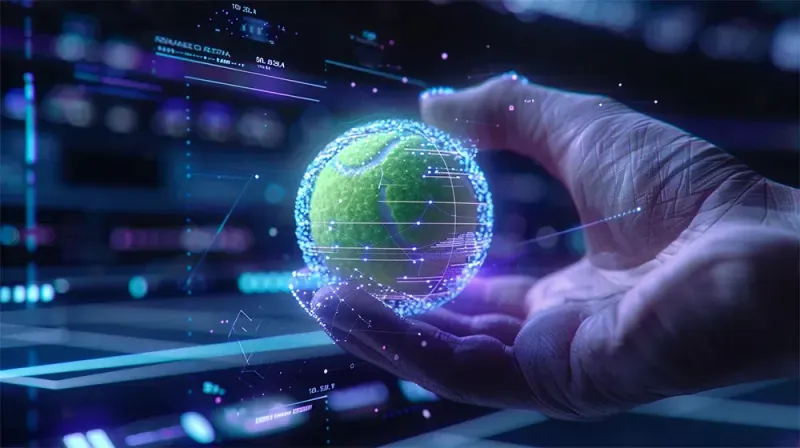
In the world of tennis, a new rivalry has emerged, not between players, but between umpires and the Hawk-Eye ball-tracking system. This dynamic, spotlighted by behavioural economist David Almog, offers a unique window into AI's growing influence over human decision-making across various professions.
Hawk-Eye, with its network of cameras creating a 3D trajectory of the ball, has been overturning bad calls and, intriguingly, improving human officials' accuracy by 8% since its introduction. However, this technological oversight has also led umpires to alter their strategy, particularly on serves close to the line, opting for decisions that minimize potential disruption and public dissent, even if it means more incorrect calls.
This tennis scenario exemplifies a broader trend: as AI systems increasingly overrule human decisions in fields ranging from finance to air traffic control, and potentially extending to medicine and law, the implications for professional judgment are profound.
Almog's research highlights a shift towards caution among humans under AI surveillance, a change driven by the desire to avoid the embarrassment of being publicly corrected. This behavior underscores the complex interplay between AI accuracy and human reputation management.
As we venture further into an AI-integrated future, the lessons from tennis suggest that while AI can enhance decision-making precision, it also reshapes human judgment in ways that prioritize reputational safety over accuracy. This transformation raises essential questions about the balance between technological assistance and human expertise, especially in areas where the social costs of errors are high. How we navigate this balance could define the effectiveness and integrity of professional decisions in an AI-augmented world.
Read the full article on The Economist.
----
Frequently asked questions
How does the Hawk-Eye system affect umpire accuracy in tennis?
Hawk-Eye uses a network of cameras to create a 3D trajectory of the ball, allowing it to overturn bad calls made by human officials. According to research by behavioural economist David Almog, its introduction has improved human officials' accuracy by 8%, since umpires know their calls can be checked and corrected by the system.
Link to this questionWhy do umpires change their strategy when AI is watching?
Knowing that Hawk-Eye can publicly overturn their calls, umpires tend to become more cautious, especially on serves close to the line. They start opting for decisions designed to minimize disruption and public dissent, even if that means making more incorrect calls, because they want to avoid the embarrassment of being publicly corrected by the technology.
Link to this questionWhat does the tennis example reveal about AI overruling human decisions generally?
The tennis rivalry between umpires and Hawk-Eye illustrates a broader trend where AI systems increasingly overrule human decisions across fields such as finance and air traffic control, and potentially medicine and law. It shows that while AI can enhance precision, it also reshapes human judgment, often prioritizing reputational safety over pure accuracy in these professional settings.
Link to this questionWhy does human reputation management matter when using AI oversight?
Reputation management matters because humans under AI surveillance shift toward caution to avoid the embarrassment of being publicly corrected, even when it lowers accuracy. This complex interplay between AI precision and human reputational concerns raises essential questions about balancing technological assistance with human expertise, particularly where the social costs of errors are high.
Link to this question💡 We're entering a world where intelligence is synthetic, reality is augmented, and the rules are being rewritten in front of our eyes.
Staying up-to-date in a fast-changing world is vital. That is why I have launched Futurwise; a personalized AI platform that transforms information chaos into strategic clarity. With one click, users can bookmark and summarize any article, report, or video in seconds, tailored to their tone, interests, and language. Visit Futurwise.com to get started for free!


Dr Mark van Rijmenam
Dr. Mark van Rijmenam, widely known as The Digital Speaker, isn’t just a #1-ranked global futurist; he’s an Architect of Tomorrow who fuses visionary ideas with real-world ROI. As a global keynote speaker, Global Speaking Fellow, recognized Global Guru Futurist, and 5-time author, he ignites Fortune 500 leaders and governments worldwide to harness emerging tech for tangible growth.
Recognized by Salesforce as one of 16 must-know AI influencers , Dr. Mark brings a balanced, optimistic-dystopian edge to his insights—pushing boundaries without losing sight of ethical innovation. From pioneering the use of a digital twin to spearheading his next-gen media platform Futurwise, he doesn’t just talk about AI and the future—he lives it, inspiring audiences to take bold action. You can reach his digital twin via WhatsApp at: +1 (830) 463-6967.