Human Touch in a Digital World: The Unreplicable Spark of Creativity
Human Touch in a Digital World: The Unreplicable Spark of Creativity
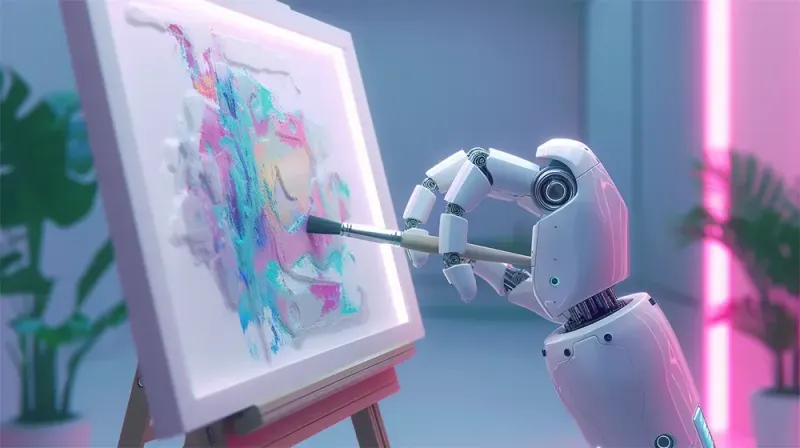
In an era where Google's Gemini promises to amplify our creativity, an intriguing question arises: can AI truly replicate the human essence of art?
In the realm of creativity, AI's contributions evoke mixed feelings; AI has tremendous potential to enhance productivity but there are also limitations in replicating the nuanced human touch in art.
The more digital our society becomes, there remains a fundamental craving for human connection in art, be it literature or social media captions. This longing isn't quenched by AI's efficiency in tasks such as improving your call centre or summarizing your PDF.
The essence of creativity, as explored in this fascinating Wired article, isn't merely about generating content but about fostering genuine human connections. Even as AI tools like Gemini offer to streamline our productivity and even venture into creative domains, they lack the ability to replicate the nuanced, messy, and deeply personal touch humans bring to their creations.
The discussion subtly nudges us towards acknowledging the irreplaceable value of human creativity amidst the rise of AI, urging us to ponder: in the relentless pursuit of innovation, how do we ensure that the soul of human creativity isn't lost to the hands of automation?
Moreover, as we navigate this symbiosis of human and machine, it opens up a labyrinth of questions about the future of creativity, authenticity, and connection. What measures can we take to preserve the unique human spark in a world increasingly governed by algorithms?
Read the full article on Wired.
----
Frequently asked questions
Can AI like Gemini fully replicate human creativity?
No. While AI tools such as Gemini can enhance productivity and even assist in creative domains, they lack the ability to replicate the nuanced, messy, and deeply personal touch humans bring to their creations. Creativity involves more than generating content efficiently; it requires fostering genuine human connections that AI cannot authentically reproduce.
Link to this questionWhy do people still crave human connection in art?
Even as society becomes more digital, there remains a fundamental craving for human connection in art, whether in literature or social media captions. This longing isn't satisfied by AI's efficiency in tasks like improving call centres or summarizing documents, because genuine creativity is about fostering real human connection, not just producing content.
Link to this questionWhat is the biggest limitation of AI in creative work?
AI's biggest limitation in creative work is its inability to capture the nuanced, messy, and deeply personal touch that humans bring to their art. Although AI can be productive and efficient, it cannot replicate the genuine human connections and authenticity that make creative work meaningful, since true creativity is about more than simply generating content.
Link to this questionWhy does the human element in creativity matter as AI advances?
As AI becomes more capable of streamlining productivity and entering creative domains, preserving the human element matters because it represents the irreplaceable soul of creativity, authenticity, and connection. Without safeguarding this unique human spark, the pursuit of innovation risks losing the genuine, personal essence that makes art meaningful in an increasingly algorithm-driven world.
Link to this question💡 We're entering a world where intelligence is synthetic, reality is augmented, and the rules are being rewritten in front of our eyes.
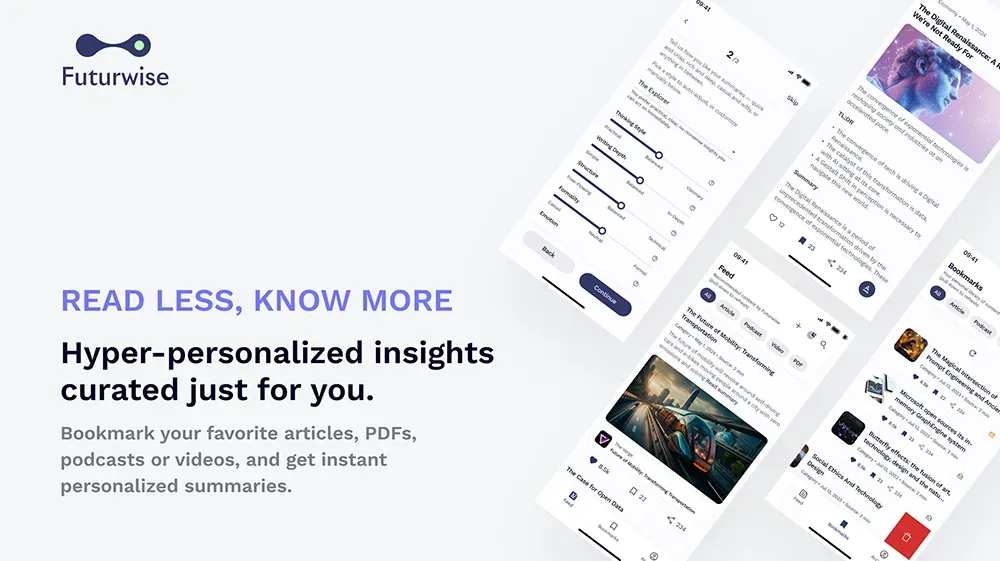
Staying up-to-date in a fast-changing world is vital. That is why I have launched Futurwise; a personalized AI platform that transforms information chaos into strategic clarity. With one click, users can bookmark and summarize any article, report, or video in seconds, tailored to their tone, interests, and language. Visit Futurwise.com to get started for free!

Dr Mark van Rijmenam
Dr. Mark van Rijmenam, widely known as The Digital Speaker, isn’t just a #1-ranked global futurist; he’s an Architect of Tomorrow who fuses visionary ideas with real-world ROI. As a global keynote speaker, Global Speaking Fellow, recognized Global Guru Futurist, and 5-time author, he ignites Fortune 500 leaders and governments worldwide to harness emerging tech for tangible growth.
Recognized by Salesforce as one of 16 must-know AI influencers , Dr. Mark brings a balanced, optimistic-dystopian edge to his insights—pushing boundaries without losing sight of ethical innovation. From pioneering the use of a digital twin to spearheading his next-gen media platform Futurwise, he doesn’t just talk about AI and the future—he lives it, inspiring audiences to take bold action. You can reach his digital twin via WhatsApp at: +1 (830) 463-6967.