How the Internet of Things Will Change Marketing
How the Internet of Things Will Change Marketing
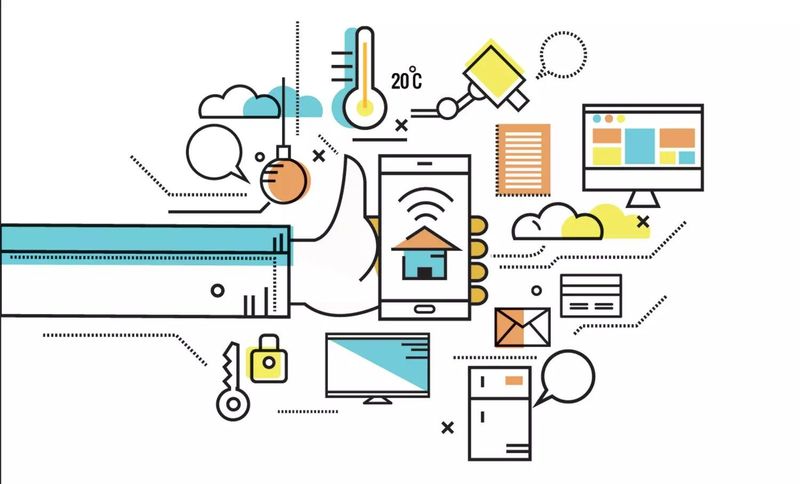
An industry that is expected to add $ 19 trillion to the Global GDP will definitely have an impact on all aspects of an organization. As such the Internet of Things will revolutionize marketing. Within a few years, thanks to the Internet of Things, a marketer’s job will look totally different than today. When products are connected to the Internet, it means that we can start communicating with those products and that opens a whole new world of exciting possibilities for marketers:
Talk to Your Products
Think of the possibilities that are created when brands will track your engagement with their products through the Internet. All of a sudden they have information about how you use when you use them, who uses them etc. Information like how long you sleep and how often you toss and turn or how fast you empty your bottle of beer on a hot summer day can be very interesting for marketers. Already, the list of connected products, from connected toothbrushes to connected toys is enormous. This data will completely change the way brands can interact with their customers and that requires a new approach for your marketing departments.
Develop New Innovative Partnerships
When devices create so much data, it becomes interesting for organizations to partner with other companies to create exciting new campaigns. Think of your car communicating with your Nest thermostat, so that when you are driving your standard route from work to home, your house knows that it should start warming up. Or what about a beer company that creates smart beer bottles that interact with the music and with a club to give visitors a completely new experience when they are on a night out. That adds a lot of value for your customers and it creates exciting new possibilities that were not possible until a few years ago.
Achieve Better Market Insights
For years, manufacturers only knew where their products were bought and only received limited information about who bought the product and/or where/how the product would be used. The Internet of Things radically changes this and offers the marketer a lot of new data to understand their customers, creating detailed customer profiles. Instead of just Point of Sales data, marketers will have access to detailed information on their customers, where they live, who they are, what their preferences are (if they link social media accounts) and, as mentioned above, how they use the product. All this information enables marketers to create truly personalized messages that will have a lot higher conversion rate than today’s generic messages. Of course, the more data marketers want to collect, the better their security and privacy processes and guidelines should be. Having your customer data hacked, can result in a significant backlash.
The Internet of Things is only getting started, but we can already foresee that it will drastically change how brands should interact with their customers and how they should run their marketing department. The future will be an exciting time, with tons of new ways to interact with your customer and offer significant and lasting experiences.
Image: Mangsaab/Shutterstock
Frequently asked questions
How will the Internet of Things change marketing?
It will let brands communicate directly with connected products, gathering data on how, when and by whom items are used. This shifts marketing away from generic messaging toward detailed customer profiles and personalized communication, fundamentally changing how marketing departments operate and interact with customers.
Link to this questionWhat kind of data can connected products give marketers?
Connected products can reveal usage patterns such as how long someone sleeps, how often they toss and turn, or how quickly they empty a bottle. Combined with data on where customers live and their preferences from linked social media accounts, this creates detailed customer profiles for more personalized marketing.
Link to this questionWhy would companies form partnerships around connected devices?
When devices generate large amounts of data, it becomes valuable for organizations to team up and create new experiences, like a car communicating with a home thermostat to pre-warm the house, or smart beer bottles interacting with music and clubs. These partnerships add value for customers and enable experiences not previously possible.
Link to this questionWhat risk comes with collecting more customer data through IoT?
As marketers collect more detailed customer data through connected products, they need stronger security and privacy processes and guidelines. If customer data is hacked, it can result in a significant backlash against the company, making data protection an essential part of using IoT for marketing.
Link to this question
Dr Mark van Rijmenam
Dr. Mark van Rijmenam, widely known as The Digital Speaker, isn’t just a #1-ranked global futurist; he’s an Architect of Tomorrow who fuses visionary ideas with real-world ROI. As a global keynote speaker, Global Speaking Fellow, recognized Global Guru Futurist, and 5-time author, he ignites Fortune 500 leaders and governments worldwide to harness emerging tech for tangible growth.
Recognized by Salesforce as one of 16 must-know AI influencers , Dr. Mark brings a balanced, optimistic-dystopian edge to his insights—pushing boundaries without losing sight of ethical innovation. From pioneering the use of a digital twin to spearheading his next-gen media platform Futurwise, he doesn’t just talk about AI and the future—he lives it, inspiring audiences to take bold action. You can reach his digital twin via WhatsApp at: +1 (830) 463-6967.