Synthetic Minds | The Computable Economy
Synthetic Minds | The Computable Economy
'Synthetic Minds' continues to reflect the synthetic forces reshaping our world. This week’s Synthetic Minds covers the computable economy, exploring tokenized assets, brain-controlled drones, AI geolocation, and bionic touch.
Don't forget, you can WhatsApp my digital twin 24/7 via +1 (830) 463-6967
Tokenized Assets: The $10 Trillion Revolution in Finance

My Latest Article
What if owning a fraction of a billion-dollar building became as easy as buying stocks? Welcome to the tokenized, computable economy.
In 2025, tokenization is transforming finance by turning real-world assets (RWAs) like real estate, art, and bonds into blockchain-based digital tokens such as the Boson Protocol. This allows fractional ownership, real-time trading, and increased liquidity for traditionally illiquid assets. Industry leaders like BlackRock are embracing this shift, eyeing trillions in economic potential.
Dynamic NFTs are emerging as ideal tools for managing tokenized RWAs, updating in real-time based on market conditions or asset usage. A huge leap forward from the crazy monkeys that used to hijack NFTs. Tokenization is reshaping the financial landscape, unlocking incredible opportunities.
Synthetic Snippets: Quick Bytes for Your Synthetic Mind
Quick, curated insights to feed your quest for a better understanding of our evolving synthetic future. The below is just a small selection of my daily updates that I share via The Digital Speaker app. Download and subscribe today to receive real-time updates. Use the coupon code SynMinds24 to receive your first month for free.
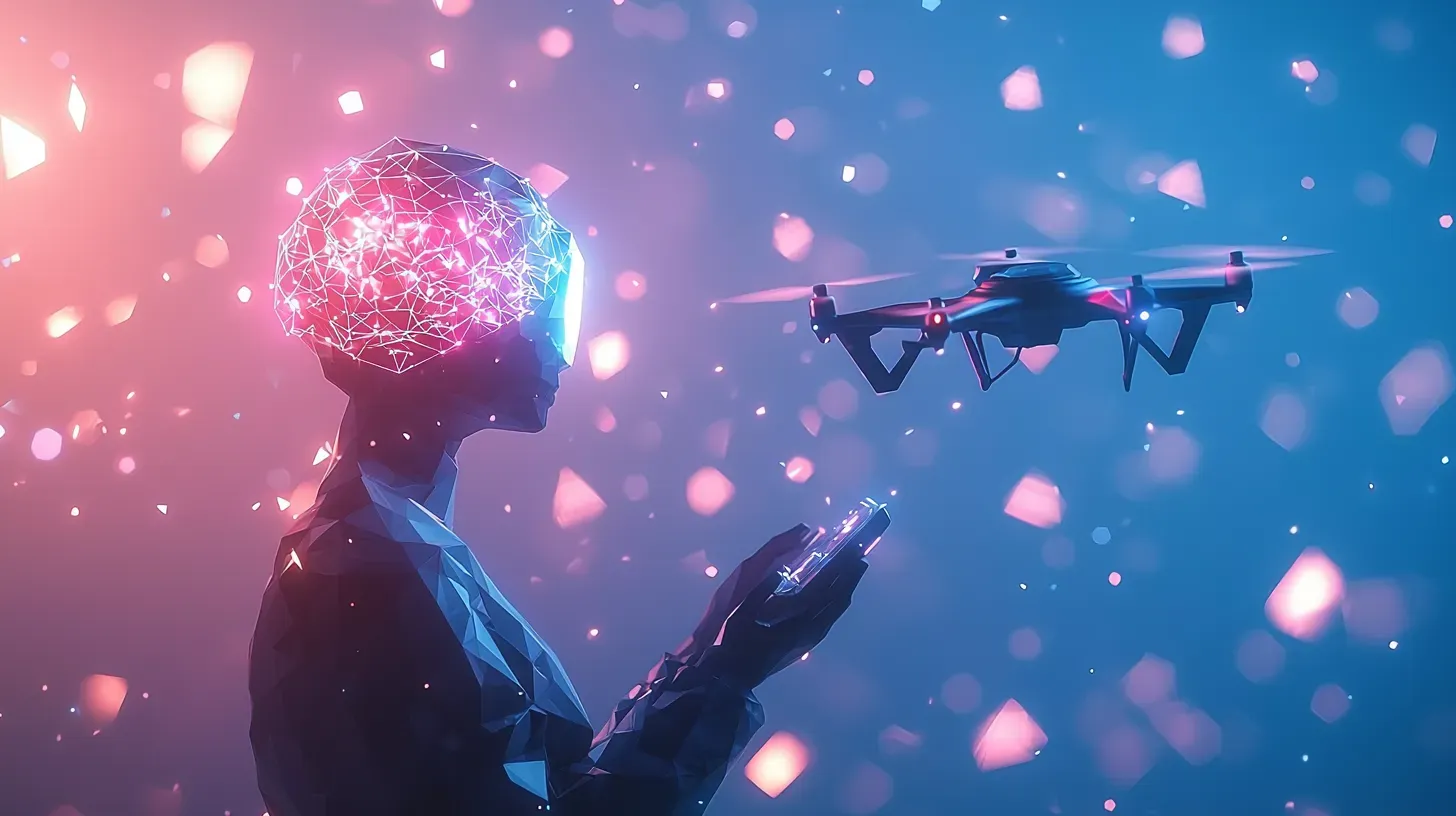
1. FLYING WITH YOUR MIND: HOW BRAIN IMPLANTS ARE UNLOCKING NEW FRONTIERS
Imagine controlling a drone with your thoughts—a groundbreaking reality achieved by University of Michigan researchers. Using implanted electrodes and AI to decode imagined finger movements, a paralyzed man guided a virtual drone through obstacles, regaining freedom and agency. This neurotechnology breakthrough not only restores abilities but offers profound psychological benefits, heralding a future of limitless possibilities for brain-computer interfaces. (Nature Medicine)
2. GEOSPY: THE AI TOOL THAT GEOLOCATES PHOTOS—AND RAISES EYEBROWS
GeoSpy, an AI geolocation tool, pinpoints photo locations using visual cues like architecture and vegetation. Once public, it’s now restricted to law enforcement due to misuse risks, from aiding investigations to enabling stalking. While powerful for fraud detection and site tracking, its ethical dilemmas—privacy, misuse, and accuracy—highlight the fine line between innovation and potential harm. (404 Media)
If you missed my 2025 technology trends report, you can read it here.
Download Now
3. SYNTHETIC BIOLOGY: REDEFINING LIFE BEYOND THE PARTS
Synthetic biology challenges the notion that life is merely mechanical, revealing it as a dynamic system of collaboration and adaptability. Innovations like self-organizing tissues, AI-designed Xenobots, and induced biostasis blur the line between life and machine, redefining life’s boundaries. As science reshapes our understanding of living systems, it also demands new ethical frameworks for navigating this evolving frontier. (Springer)

4. THE SECOND WAVE OF AI CODING: FROM ASSISTANTS TO ARCHITECTS
AI coding tools are evolving from autocompletion to understanding, debugging, and optimizing code. Startups like Cosine and Merly train models on “breadcrumb data,” replicating human logic and processes. As these tools edge toward autonomous software creation, they promise to revolutionize coding but also raise questions about job displacement and the role of humans in an AI-driven development future. (MIT Technology Review)
5. FEELING THE FUTURE: BIONIC HANDS WITH REAL TOUCH
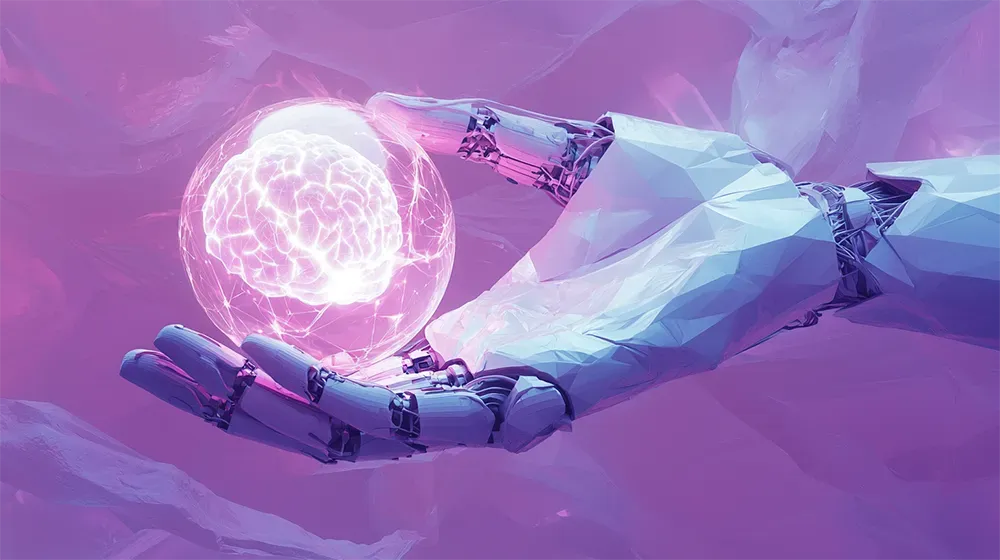
Robotic hands controlled by thoughts now offer the sense of touch, thanks to a University of Chicago breakthrough. By connecting bionic hands to the brain, users can feel textures and shapes, revolutionizing possibilities for those with disabilities. With advancements in synthetic skin and proprioception on the horizon, this innovation showcases how technology can restore essential human experiences and inspire future solutions. (FT)
If these insights sparked your curiosity, dive deeper with my new venture Futurwise—your guide to staying ahead in a world of rapid change. Download now!
❤️ If you’ve enjoyed my insights and it gave you a glimpse into the future, the best compliment is a referral! Know someone ready to navigate the next frontier of AI and innovation? Send them my way—I’ll help them unlock tomorrow, today. ❤️
In Synthetic Minds, I dig deep into the increasingly synthesized universe, navigating the breathtaking opportunities, the philosophical curveballs, and yes, even the ‘Are we living in a simulation?’ moments. If you’d like to bring these thought-provoking insights to your organization, let’s make it happen. As a Global Guru, Certified Speaking Professional and Global Speaking Fellow, I’m ready to spark your next event. Just hit reply!
Stay connected:
- Twitter: @VanRijmenam
- Speaker Website
- Grab my latest books: Future Visions and Step into the Metaverse
- Download The Digital Speaker app
Enjoyed my content? An Amazon review or Google review would mean a lot! 🌟
Thanks for reading!
— Mark
Frequently asked questions
What is tokenization in the context of the computable economy?
Tokenization is the process of turning real-world assets like real estate, art, and bonds into blockchain-based digital tokens, such as those created with the Boson Protocol. This enables fractional ownership, real-time trading, and increased liquidity for assets that were traditionally illiquid. Industry leaders like BlackRock are embracing this shift, seeing trillions in economic potential from transforming finance this way.},{
Link to this questionHow did a paralyzed man control a drone with his mind?
University of Michigan researchers used implanted electrodes and AI to decode a paralyzed man's imagined finger movements, allowing him to guide a virtual drone through obstacles. This neurotechnology breakthrough restored abilities and agency, offering profound psychological benefits and pointing toward a future of expanded possibilities for brain-computer interfaces.
Link to this questionWhy is GeoSpy's AI geolocation tool controversial?
GeoSpy is an AI tool that pinpoints where photos were taken by analyzing visual cues like architecture and vegetation. Once publicly available, it is now restricted to law enforcement because of misuse risks such as stalking. While useful for fraud detection and site tracking, it raises serious ethical concerns around privacy, misuse, and accuracy, illustrating the tension between innovation and potential harm.
Link to this questionHow do new bionic hands restore the sense of touch?
A University of Chicago breakthrough connects robotic hands directly to the brain, allowing thought-controlled bionic hands to convey the sense of touch, including textures and shapes. This innovation is especially significant for people with disabilities, and combined with advances in synthetic skin and proprioception, it demonstrates how technology can restore essential human sensory experiences.
Link to this question
Dr Mark van Rijmenam
Dr. Mark van Rijmenam, widely known as The Digital Speaker, isn’t just a #1-ranked global futurist; he’s an Architect of Tomorrow who fuses visionary ideas with real-world ROI. As a global keynote speaker, Global Speaking Fellow, recognized Global Guru Futurist, and 5-time author, he ignites Fortune 500 leaders and governments worldwide to harness emerging tech for tangible growth.
Recognized by Salesforce as one of 16 must-know AI influencers , Dr. Mark brings a balanced, optimistic-dystopian edge to his insights—pushing boundaries without losing sight of ethical innovation. From pioneering the use of a digital twin to spearheading his next-gen media platform Futurwise, he doesn’t just talk about AI and the future—he lives it, inspiring audiences to take bold action. You can reach his digital twin via WhatsApp at: +1 (830) 463-6967.