Synthetic Selves and the Cost of Convenience

Synthetic Selves and the Cost of Convenience
The use of AI avatars, particularly in the realm of education, comes with a range of ethical challenges. Imagine a world where your digital double, created by generative AI systems like HeyGen, can stand in for you, teaching classes or interacting with others on your behalf.
This isn't just a flight of fancy; it's a scenario rapidly approaching reality. In fact, I have already digitally cloned myself and you can have engaging conversations with my digital twin on any topic related to emerging technologies.
The allure of these digital workers lies in their efficiency and the promise of convenience, but it comes at a profound cost.
The use of synthetic avatars raises significant ethical questions. In education, where human interaction is crucial for fostering critical thinking and empathy, replacing educators with AI avatars risks diluting the essence of learning. By programming avatars to fit our biases, we risk creating a sanitized, echo-chamber version of reality, devoid of the messiness and diversity that characterize human interactions.
That is of course also the case with my digital twin, and one of the reasons why I developed this application: to understand the ethical questions that come with it.
This shift towards synthetic avatars is not limited to education. It extends to various facets of our lives, from customer service to personal companionship and professional keynotes, signaling a broader societal move towards convenience at the expense of authentic human connection.
The rise of digital twins compels us to consider: As we increasingly lean on AI for convenience, what aspects of our humanity are we willing to trade away, and at what point does the cost of convenience become too great?
Read the full article on Marc Watkins.
----
Frequently asked questions
What is a digital twin in the context of AI avatars?
A digital twin is a synthetic avatar created by generative AI systems, such as HeyGen, that can stand in for a real person, teaching classes or interacting with others on their behalf. It is designed to replicate someone's likeness and knowledge so it can hold engaging conversations on their behalf, such as on topics related to emerging technologies.
Link to this questionWhy is using AI avatars in education ethically risky?
In education, human interaction is crucial for fostering critical thinking and empathy, so replacing educators with AI avatars risks diluting the essence of learning. Programming avatars to fit our biases also risks creating a sanitized, echo-chamber version of reality that lacks the messiness and diversity characteristic of genuine human interactions.
Link to this questionWhere else besides education are synthetic avatars being used?
The shift towards synthetic avatars extends beyond education into customer service, personal companionship, and professional keynotes. This signals a broader societal move towards convenience, but it comes at the expense of authentic human connection across many areas of life.
Link to this questionWhy did the author create a digital twin of themselves?
The author digitally cloned themselves to better understand the ethical questions raised by synthetic avatars. Developing the application allowed direct exploration of issues like bias, authenticity, and the trade-off between convenience and genuine human connection that digital twins introduce.
Link to this question💡 We're entering a world where intelligence is synthetic, reality is augmented, and the rules are being rewritten in front of our eyes.
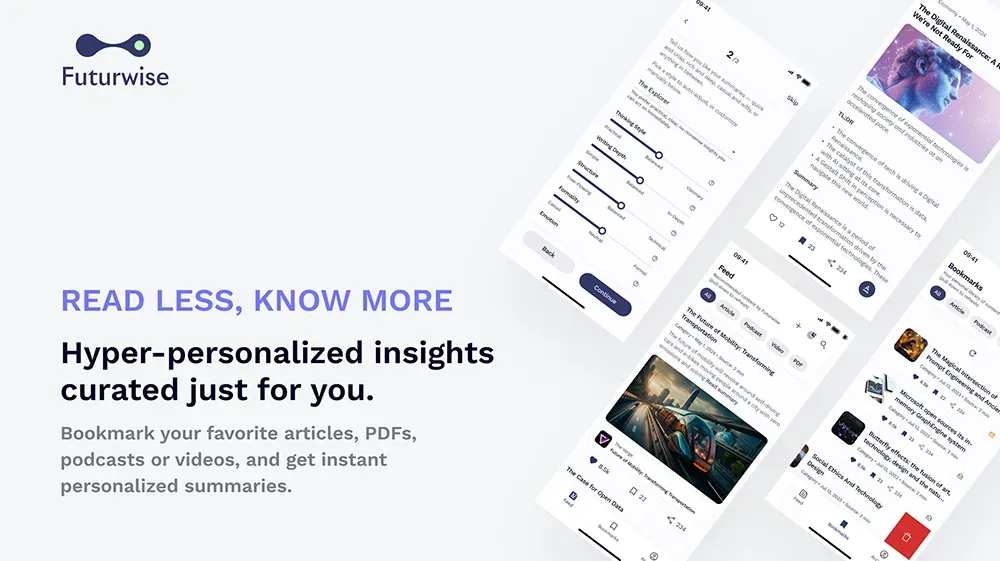
Staying up-to-date in a fast-changing world is vital. That is why I have launched Futurwise; a personalized AI platform that transforms information chaos into strategic clarity. With one click, users can bookmark and summarize any article, report, or video in seconds, tailored to their tone, interests, and language. Visit Futurwise.com to get started for free!

Dr Mark van Rijmenam
Dr. Mark van Rijmenam, widely known as The Digital Speaker, isn’t just a #1-ranked global futurist; he’s an Architect of Tomorrow who fuses visionary ideas with real-world ROI. As a global keynote speaker, Global Speaking Fellow, recognized Global Guru Futurist, and 5-time author, he ignites Fortune 500 leaders and governments worldwide to harness emerging tech for tangible growth.
Recognized by Salesforce as one of 16 must-know AI influencers , Dr. Mark brings a balanced, optimistic-dystopian edge to his insights—pushing boundaries without losing sight of ethical innovation. From pioneering the use of a digital twin to spearheading his next-gen media platform Futurwise, he doesn’t just talk about AI and the future—he lives it, inspiring audiences to take bold action. You can reach his digital twin via WhatsApp at: +1 (830) 463-6967.