4 Breakthrough Uses for Big Data and Why You'll Benefit From Them
4 Breakthrough Uses for Big Data and Why You'll Benefit From Them
Big data analytics used to be reserved for large enterprises with deep enough pockets to fund both the IT infrastructure and the data scientists necessary to derive insight from massive data collections. Sure, smaller companies might collect or gain access to big data, but getting actionable information from it was an enormous challenge.
ll types, city engineers have learned how to read clusters of data to determine where rats are likely breeding so sanitation crews know where to direct their efforts. Their algorithm uses 31 variables related to resident complaints about problems like food poisoning cases and overflowing trash containers. In many cases the city can address rodent infestations days before ordinary citizens ever notice a rat. Chicago wants every service agency to have big data analytics by 2016, with capabilities on par with leading smart cities like Seoul, Barcelona, and Amsterdam.
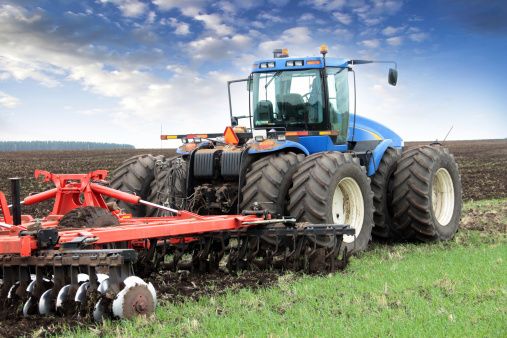
3. Higher Crop Yields
Data analysis can now be used by individual farmers to improve yields.
A few years ago, engineers Craig Rupp and Corbett Kull designed a $500 drive that collects data from farm equipment and beams it to a mobile device, where it's geo-tagged by an on-board GPS. Farmers can either view data in real time, or collect the numbers from the cloud later and gain insight into, for example, which locations are receiving too much fertilizer. Now big data analytics is being touted as the next revolution in agriculture. A San Francisco-based company called Climate bought Rupp and Kull's business and it now combines climatology data analysis with farm data collected from the field to improve farming productivity further.
4. Discovering Unexpected Drug Interactions
Scientists from Stanford and Columbia Universities as well as Microsoft used big data analytics on search engine queries to identify previously unreported prescription drug interactions before such information could reach the US Food and Drug Administration (FDA). By examining queries related to an antidepressant and a cholesterol lowering drug, the researchers' data analysis found evidence that the drug combination caused high blood sugar levels. Normally, the FDA only learns of adverse effects when physicians notice something and report it. However, search engine data analysis was able to automate discovery of this drug-drug interaction by identifying individual searches on the drugs, searches on both drugs together, and relevant searches about symptoms.
Conclusion
Small businesses are no longer excluded from the big data analytics scene due to breakthroughs that help eliminate the need for doctorate-level data scientists and massive IT infrastructure investments. Moreover, big data isn't just about predicting consumer behaviour, but is being put to work addressing disasters, running cities better, helping farmers increase production, and alerting medical professionals to problems well before they might know about them otherwise.
Image Credit: iDesign/Shutterstock
Frequently asked questions
How do cities use big data to fight rat infestations?
City engineers analyze clusters of data using an algorithm built on variables related to resident complaints, such as food poisoning cases and overflowing trash containers. By reading these patterns, sanitation crews can determine where rats are likely breeding and address rodent infestations days before ordinary citizens ever notice a problem, allowing service agencies to direct their efforts more efficiently.},{
Link to this questionHow does big data help farmers increase crop yields?
Engineers designed an affordable device that collects data from farm equipment and beams it to a mobile device, where it gets geo-tagged by GPS. Farmers can view this data in real time or later via the cloud to see insights like which locations receive too much fertilizer. A company later combined this farm data with climatology analysis to further improve farming productivity.
Link to this questionWhy is big data no longer limited to large enterprises?
Big data analytics used to require deep pockets to fund IT infrastructure and data scientists, excluding smaller companies from deriving real insight even when they could access the data. Breakthroughs have since emerged that eliminate the need for doctorate-level data scientists and massive infrastructure investments, meaning small businesses can now use big data for purposes beyond predicting consumer behavior, including disaster response, city management, farming, and medicine.
Link to this question
Dr Mark van Rijmenam
Dr. Mark van Rijmenam, widely known as The Digital Speaker, isn’t just a #1-ranked global futurist; he’s an Architect of Tomorrow who fuses visionary ideas with real-world ROI. As a global keynote speaker, Global Speaking Fellow, recognized Global Guru Futurist, and 5-time author, he ignites Fortune 500 leaders and governments worldwide to harness emerging tech for tangible growth.
Recognized by Salesforce as one of 16 must-know AI influencers , Dr. Mark brings a balanced, optimistic-dystopian edge to his insights—pushing boundaries without losing sight of ethical innovation. From pioneering the use of a digital twin to spearheading his next-gen media platform Futurwise, he doesn’t just talk about AI and the future—he lives it, inspiring audiences to take bold action. You can reach his digital twin via WhatsApp at: +1 (830) 463-6967.