Boston Dynamics' New Atlas May Just Be Too Humanoid for Comfort
Boston Dynamics' New Atlas May Just Be Too Humanoid for Comfort
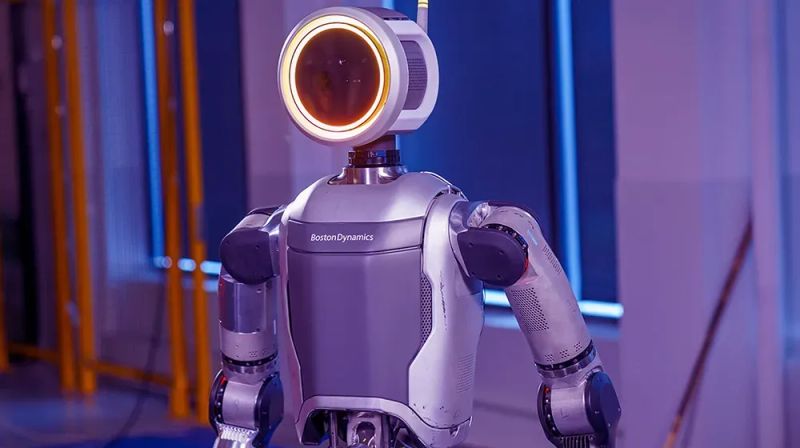
Boston Dynamics, a pioneer in robotics, has once again pushed the boundaries of technology with its latest innovation, the all-electric Atlas robot. Departing dramatically from its hydraulic predecessor, this new version boasts a sleeker, more efficient design characterized by its all-electric construction and consumer-friendly aesthetic enhancements such as status lights and user interface elements. However, it’s the robot's capabilities that truly highlight a significant leap in robotics.
The new Atlas sheds the bulky and restrictive hydraulic system for advanced electric joints that allow for full 360-degree rotation. This enhancement removes the physical constraints imposed by the old model's tangle of hydraulic lines and introduces an eerie level of fluidity in movement that is distinctly inhuman. The robot can now undertake complex contortions and rotations that were previously unthinkable, such as twisting its legs and torso independently in complete circles, enabling it to rise from the ground in a manner more akin to a scene from a sci-fi film than a lab demonstration.
These capabilities are not just for show; they have practical implications for tasks requiring a high degree of flexibility and precision. The new Atlas can perform deep squats and complete turns without shifting its base, attributes that could be incredibly beneficial in industrial settings where maneuverability and strength are paramount. Moreover, the redesign opens potential commercial avenues for Boston Dynamics, which has long focused on creating robots that can operate effectively in real-world environments. The next step would be integrating a multimodal LLM into Atlas, and things could get really strange very quickly.
This leap in robotic capabilities brings with it a host of ethical and social implications. The almost limitless range of motion and the humanoid form factor of the new Atlas might unsettle those who fear the implications of robots that can mimic human movements so closely. It challenges our perceptions of the roles robots should play in society and stirs debate about the potential for these machines to replace human roles in more personal or sensitive settings.
As Boston Dynamics paves the way for Atlas to move from research and development into potential market applications, it also ignites discussions about the future interactions between humans and robots. The company's integration of advanced AI and the potential for future enhancements only add layers to the ongoing debate over the balance between technological innovation and its societal impacts.
Read the full article on Boston Dynamics.
Image: Boston Dynamics (edited)
----
Frequently asked questions
What makes the new Atlas robot different from the old one?
The new Atlas is all-electric rather than hydraulic, giving it a sleeker, more consumer-friendly design with status lights and user interface elements. Its electric joints allow full 360-degree rotation, removing the physical constraints of the old hydraulic lines and enabling far more fluid, flexible movement than the previous hydraulic model could achieve.
Link to this questionWhat new physical movements can the electric Atlas perform?
The electric Atlas can twist its legs and torso independently in complete circles, rise from the ground in an unusually fluid way, perform deep squats, and complete full turns without shifting its base. These contortions and rotations were previously unthinkable for the robot and give it an inhuman level of flexibility and precision.
Link to this questionWhy might Atlas's new movements be practical beyond just being impressive?
The flexibility and precision enabled by Atlas's electric joints have practical value in industrial settings where maneuverability and strength matter. Deep squats and full-body turns without shifting its base could make the robot useful for tasks demanding a high degree of dexterity, opening potential commercial applications beyond research and development.
Link to this questionWhy do people find the new Atlas robot unsettling?
The robot's almost limitless range of motion combined with its humanoid form factor creates movements that feel eerily fluid and distinctly inhuman. This unsettles people who worry about robots mimicking human movement so closely, challenging perceptions of what roles robots should play in society and raising concerns about replacing humans in personal or sensitive settings.
Link to this question💡 We're entering a world where intelligence is synthetic, reality is augmented, and the rules are being rewritten in front of our eyes.
Staying up-to-date in a fast-changing world is vital. That is why I have launched Futurwise; a personalized AI platform that transforms information chaos into strategic clarity. With one click, users can bookmark and summarize any article, report, or video in seconds, tailored to their tone, interests, and language. Visit Futurwise.com to get started for free!


Dr Mark van Rijmenam
Dr. Mark van Rijmenam, widely known as The Digital Speaker, isn’t just a #1-ranked global futurist; he’s an Architect of Tomorrow who fuses visionary ideas with real-world ROI. As a global keynote speaker, Global Speaking Fellow, recognized Global Guru Futurist, and 5-time author, he ignites Fortune 500 leaders and governments worldwide to harness emerging tech for tangible growth.
Recognized by Salesforce as one of 16 must-know AI influencers , Dr. Mark brings a balanced, optimistic-dystopian edge to his insights—pushing boundaries without losing sight of ethical innovation. From pioneering the use of a digital twin to spearheading his next-gen media platform Futurwise, he doesn’t just talk about AI and the future—he lives it, inspiring audiences to take bold action. You can reach his digital twin via WhatsApp at: +1 (830) 463-6967.