Frankenstein's Brain Bot: The Future of Neuro-Robotics
Frankenstein's Brain Bot: The Future of Neuro-Robotics
Are we creating the next RoboCop, or just advancing brain science?
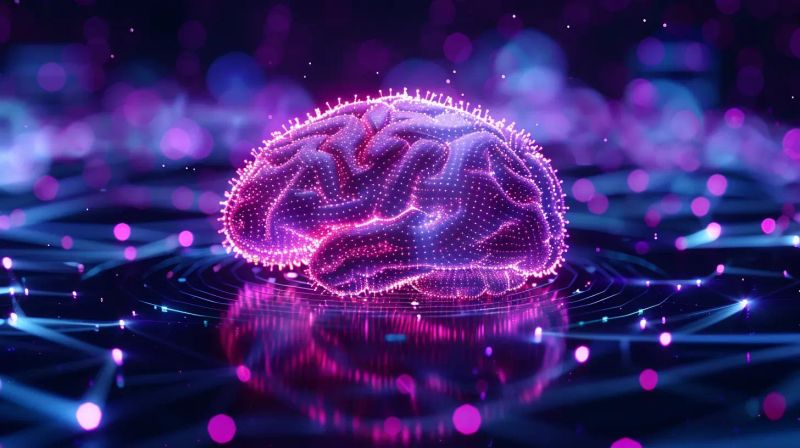
Chinese researchers have inserted human stem cell-derived brain organoids into a tiny robot, creating a learning-capable, Frankenstein-like entity, marking a significant leap in brain-computer interface (BCI) technology.
This innovative project from Tianjin University and the Southern University of Science and Technology uses brain organoids, cultivated from pluripotent stem cells, to control robots, teaching them tasks like avoiding obstacles and gripping objects. This "brain-on-chip" technology is touted as the world's first open-source intelligent complex information interaction system.
By integrating human brain cells with neural interface chips, these robots can perform increasingly complex tasks. Beyond teaching a small humanoid robot to avoid obstacles or grip objects, scientists hope that organoids could eventually be used to repair the human brain through transplantation. For instance, brain organoids treated with low-intensity ultrasound showed improved differentiation of cells into neurons, enhancing their integration with host brain networks.
The implications of merging human brain cells with machines extend beyond technological marvels, diving deep into ethical territories. The ethical considerations of this technology are profound. As we merge human biological elements with machines, we blur the lines between human and artificial intelligence, challenging our understanding of consciousness, identity, and autonomy.
This technology's potential medical applications are revolutionary. Brain organoid transplants could restore lost neural functions and reconstruct neural circuits, offering hope for patients with severe brain injuries or neurodegenerative diseases. For example, researchers at the University of Pennsylvania successfully used human neurons to restore function in damaged visual cortices of rats, indicating the potential of such treatments.
On the flip side, the creation of robots with human brain cells could lead to societal and ethical dilemmas. If these robots can learn and develop like humans, should they be granted rights? How do we prevent potential misuse of this technology, ensuring it serves humanity rather than becoming a tool for exploitation or control?
Moreover, the integration of biological intelligence with artificial systems raises concerns about the potential for unintended consequences. Could these hybrids develop in ways we cannot predict or control? The rapid advancement in BCI technology necessitates a parallel development in ethical frameworks and regulatory measures to address these concerns adequately.
While the advancements in brain-on-chip technology represent a significant scientific breakthrough with enormous potential benefits, they also demand careful ethical consideration and societal dialogue. As we stand on the brink of a new era in neuro-robotics, it is crucial to balance innovation with responsibility, ensuring that these developments enhance human well-being without compromising ethical standards.
Read the full article on SCMP.
----
Frequently asked questions
What is a brain organoid robot?
A brain organoid robot is a robot controlled by human brain organoids, which are structures cultivated from pluripotent stem cells. Researchers from Tianjin University and the Southern University of Science and Technology integrated these organoids with neural interface chips to create a learning-capable system, described as the world's first open-source intelligent complex information interaction system, enabling a small humanoid robot to perform tasks such as avoiding obstacles and gripping objects.
Link to this questionHow could brain organoids help treat brain injuries?
Brain organoids could eventually be transplanted into the human brain to restore lost neural functions and reconstruct damaged neural circuits, offering hope for patients with severe brain injuries or neurodegenerative diseases. Organoids treated with low-intensity ultrasound showed improved differentiation into neurons, helping them integrate better with host brain networks, similar to research at the University of Pennsylvania that used human neurons to restore function in damaged visual cortices of rats.
Link to this questionWhat ethical concerns arise from merging brain cells with robots?
Merging human brain cells with machines blurs the lines between human and artificial intelligence, challenging understandings of consciousness, identity, and autonomy. It raises questions about whether robots capable of learning and developing like humans should be granted rights, how to prevent misuse or exploitation of the technology, and concerns that these biological-artificial hybrids could develop in unpredictable or uncontrollable ways.
Link to this questionWhy does this technology need stronger regulation?
Because the rapid advancement of brain-computer interface technology outpaces existing ethical frameworks, there is a need for parallel development of regulatory measures. Without proper oversight, the integration of biological intelligence with artificial systems could lead to unintended consequences, misuse, or exploitation, making it essential to balance innovation with responsibility so these developments enhance human well-being without compromising ethical standards.
Link to this question💡 We're entering a world where intelligence is synthetic, reality is augmented, and the rules are being rewritten in front of our eyes.
Staying up-to-date in a fast-changing world is vital. That is why I have launched Futurwise; a personalized AI platform that transforms information chaos into strategic clarity. With one click, users can bookmark and summarize any article, report, or video in seconds, tailored to their tone, interests, and language. Visit Futurwise.com to get started for free!


Dr Mark van Rijmenam
Dr. Mark van Rijmenam, widely known as The Digital Speaker, isn’t just a #1-ranked global futurist; he’s an Architect of Tomorrow who fuses visionary ideas with real-world ROI. As a global keynote speaker, Global Speaking Fellow, recognized Global Guru Futurist, and 5-time author, he ignites Fortune 500 leaders and governments worldwide to harness emerging tech for tangible growth.
Recognized by Salesforce as one of 16 must-know AI influencers , Dr. Mark brings a balanced, optimistic-dystopian edge to his insights—pushing boundaries without losing sight of ethical innovation. From pioneering the use of a digital twin to spearheading his next-gen media platform Futurwise, he doesn’t just talk about AI and the future—he lives it, inspiring audiences to take bold action. You can reach his digital twin via WhatsApp at: +1 (830) 463-6967.