Synthetic Minds: From biocomputing to screenless AI
Synthetic Minds: From biocomputing to screenless AI
'Synthetic Minds', formerly known as the f(x)=e^x, serves as a mirror to the multifaceted, synthetic elements that are beginning to weave into the fabric of our society. The name acknowledges the blend of artificial and human intelligence that will shape our collective future, posing incredible opportunities and ethical dilemmas.
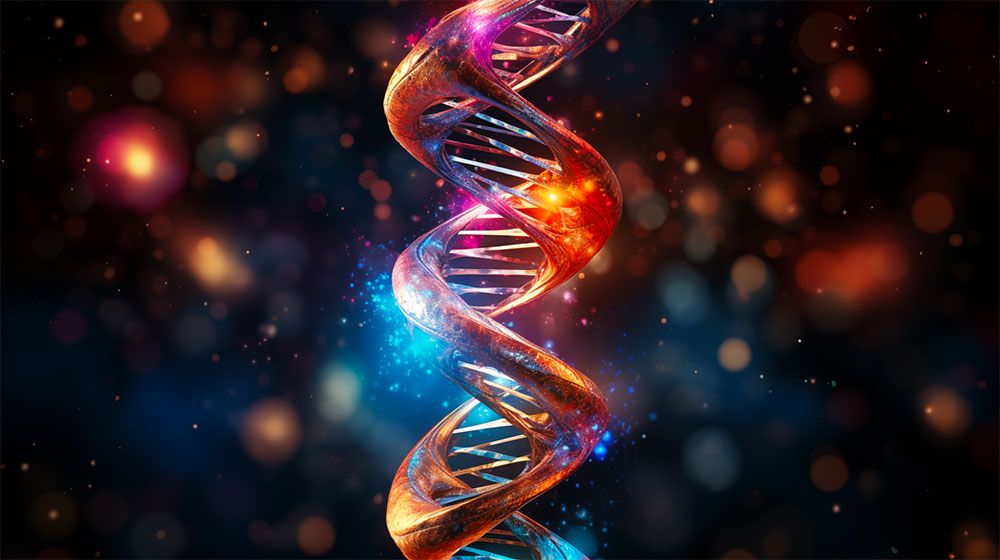
Biological Computing: Harnessing Life's Code to Power the Future
My latest article:
Imagine a world where computers think like humans and data storage spans millennia, not years. Welcome to the dawn of biological computing!
We're standing on the brink of a revolution, one where the very fabric of life – DNA – becomes the cornerstone of technological advancement. In biological computing, we're not just processing information but redefining what it means to compute.
But with great power comes great responsibility. Ethical stewardship is paramount as we navigate this brave new world of biocomputing. How do we protect genetic privacy? How do we secure bioengineering advancements? These are the questions we must answer as we forge ahead.
In our quest for innovation, remember that our actions today will echo through generations. Let’s shape a future where technology and ethics walk hand in hand, where biological computing enhances lives and safeguards our essence.
The future isn't just about machines but the harmony between silicon and DNA. Let's embrace this journey with wisdom, foresight, and an unwavering commitment to the ethical principles that define us.
Feel like the pace of the digital revolution is leaving your business in the dust? I've developed a 3-hour workshop for executive leaders and board members to demystify buzzwords like AI, metaverse, and quantum computing, preparing you to steer your organization into a confident digital future. Don't be among the 49% of businesses that see digital transformation as a threat - seize the opportunity now!
Synthetic Snippets: Weekly Bytes for Your Synthetic Mind
Quick, curated insights to feed your quest for a better understanding of our evolving synthetic future.
1. Say hello to your new AI sidekick.
OpenAI's new GPTs are set to be the Siri of the AI world but with a PhD in personalisation. They'll read, write, and even paint their way into every niche, turning the app economy on its head—no coding required. The upcoming "GPT Store" could be the next gold rush for revenue-sharing AI creators. Meanwhile, GPT-4 Turbo flexes with a 128K context window at bargain prices, promising to make the tech world's wildest dreams a coding-free reality. (OpenAI)
2. Clip-on AI: a virtual buddy to take everywhere, no screens needed.
Humane's AI Pin is like a sidekick clipped to your shirt, minus the screen. At $699, it's a screenless wonder with a $24/month brain, promising to turn your gestures into commands and your outfit into a tech statement, all while whispering sweet nothings in "personic" sound. (The Verge)
3. Privacy's price tag: $10 or just log off.
Meta's new 'privacy' model turns ad-free scrolling into a monthly splurge, making me wonder if it's cheaper to just hit delete, which I did years ago. With Europe's hefty fines looming over its head, Meta’s “pay-or-let's-play-with-your-data” gamble might just be its priciest 'like' yet. (Wired)
4. News as gossip: Gen Z's latest trend.
Kelsey Russell makes headlines by treating them as gossip for Gen Z's TikTok feeds, turning the news cycle into the latest buzz. With her novel approach, newspapers are getting a fresh, dramatic spin, captivating nearly 100,000 followers who now see current affairs as their daily dose of drama. It's a curious blend of the day's serious events with the entertaining flair of celebrity scandal, and it's got Gen Z hooked on what might just be the oldest form of social media: the newspaper. (Fast Company)
Universe's new code: ruliad or bust.
Wolfram's latest TED talk serves up a cosmic quest to uncover the universe's computational backbone. Forget math and logic; it's all about the 'ruliad', where even space-time bends to the will of computational rules. If you're into mental gymnastics, this is your Olympics, and the prize could be unlocking the secrets of everything. But hey, no pressure. (TED)
Join my new masterclass - updated twice a month!
Digital transformation is essential for success in today's fast-paced business landscape, yet many organisations struggle with data literacy. Don’t be left behind but join this unique masterclass that will help you unleash digital innovation in your business. Only $99!
Know someone who needs the Synthetic Minds?
Forward it to someone who might like it too.
Subscribe here if it was forwarded to you.
Frequently asked questions
What is biological computing?
Biological computing is an emerging field that uses DNA as the cornerstone of technological advancement, allowing computers to process information in ways that resemble human thought and enabling data storage that could span millennia rather than just years. It represents a shift from purely silicon-based systems toward harnessing life's own code to power future technology.
Link to this questionWhat ethical concerns come with biological computing?
Biological computing raises questions around genetic privacy and the security of bioengineering advancements. Ethical stewardship is described as essential, since actions taken now will have effects across generations. The goal is to ensure technology and ethics progress together, so that biological computing enhances lives while safeguarding humanity's essence rather than undermining it.
Link to this questionWhat is Humane's AI Pin and how does it work?
Humane's AI Pin is a screenless wearable AI device that clips onto clothing, priced at $699 with a $24 per month subscription. It acts like a personal assistant without a screen, turning gestures into commands and using 'personic' sound to communicate, functioning as a wearable tech companion rather than a traditional smartphone or computer.
Link to this questionWhat are OpenAI's new GPTs and the GPT Store?
OpenAI's new GPTs are personalized AI tools capable of reading, writing, and even painting across many niches without requiring coding, positioned to become highly customizable assistants similar to Siri but far more specialized. The upcoming GPT Store would let creators share revenue from these tools, while GPT-4 Turbo offers a large 128K context window at low prices.
Link to this question
Dr Mark van Rijmenam
Dr. Mark van Rijmenam, widely known as The Digital Speaker, isn’t just a #1-ranked global futurist; he’s an Architect of Tomorrow who fuses visionary ideas with real-world ROI. As a global keynote speaker, Global Speaking Fellow, recognized Global Guru Futurist, and 5-time author, he ignites Fortune 500 leaders and governments worldwide to harness emerging tech for tangible growth.
Recognized by Salesforce as one of 16 must-know AI influencers , Dr. Mark brings a balanced, optimistic-dystopian edge to his insights—pushing boundaries without losing sight of ethical innovation. From pioneering the use of a digital twin to spearheading his next-gen media platform Futurwise, he doesn’t just talk about AI and the future—he lives it, inspiring audiences to take bold action. You can reach his digital twin via WhatsApp at: +1 (830) 463-6967.