Synthetic Minds | The Future is Augmented and Sentient
Synthetic Minds | The Future is Augmented and Sentient
'Synthetic Minds' continues to reflect the synthetic forces reshaping our world. This week’s Synthetic Minds covers covers the augmented future, conscious AI risks, a quantum moonshot, self-driving cars, and Google’s ethical pivot.
Did you know that I have been recognized as the world's best futurist by Global Gurus and that you can WhatsApp my digital twin 24/7 via +1 (830) 463-6967?
Augmented Reality: The New Reality You Can’t Escape

My Latest Article
Augmented Reality (AR) is about to become the new layer of perception, blurring reality until you can’t tell where the physical ends and the digital begins. AR is poised to evolve from a niche tool into an everyday interface that transforms how we live and work. With companies like Meta and Snap leading the charge, AR glasses will redefine reality by merging physical and digital spaces seamlessly.
Unlike bulky headsets, lightweight designs with advanced AI and 5G will push AR adoption in industries like education, healthcare, and retail. Spatial intelligence will make these experiences hyper-realistic, while also raising ethical concerns around privacy, data ownership, and over-reliance on tech. Is AR a tool for human empowerment or just another tech addiction?
Synthetic Snippets from the World's Best Futurist
Quick, curated insights to feed your quest for a better understanding of our evolving synthetic future. The below is just a small selection of my daily updates that I share via The Digital Speaker app. Download and subscribe today to receive real-time updates. Use the coupon code SynMinds24 to receive your first month for free.

1. SEATBELTS FOR A SPEEDING AI REVOLUTION: WHAT THE PARIS AI SUMMIT MISSED
The Paris AI Summit exposed the global race to regulate AI without stifling innovation. France leads with a $112.5 billion AI boost, while U.S. policy stalls in ambiguity. DeepSeek’s breakthrough puts smaller nations in the game, as global leaders face a pivotal choice: collaborate or compete. Can slow-moving governments outpace an AI revolution moving at warp speed? (NY Times)

2. THE $1 BILLION QUANTUM BET; PSIQUANTUM’S RACE TO BUILD A MILLION-QUBIT MACHINE
Australian quantum computing startup PsiQuantum is jumping into the next quantum era and aiming straight for a million-qubit photonic quantum computer by 2027. Backed by AU$1 billion and leveraging smartphone chip tech, it’s partnered with GlobalFoundries to make quantum reality. Pharma and EV giants are lining up. Can PsiQuantum’s moonshot redefine computing, or will the future arrive faster than we’re ready for? (New Scientist)
If you missed my 2025 technology trends report, you can read it here.
Download Now
3. SELF-DRIVING CARS ARE TEACHING THEMSELVES AND OUTDRIVING HUMANS
Apple’s GIGAFLOW is redefining autonomy; training self-driving cars with zero human data and simulating 42 years of driving every hour. After mastering 1.6 billion kilometers in virtual traffic, it outperforms industry benchmarks with unmatched reliability. But can machines alone create safer roads, or will the leap from simulation to reality prove too risky? The race to autonomy just hit hyperdrive. (Arxiv)
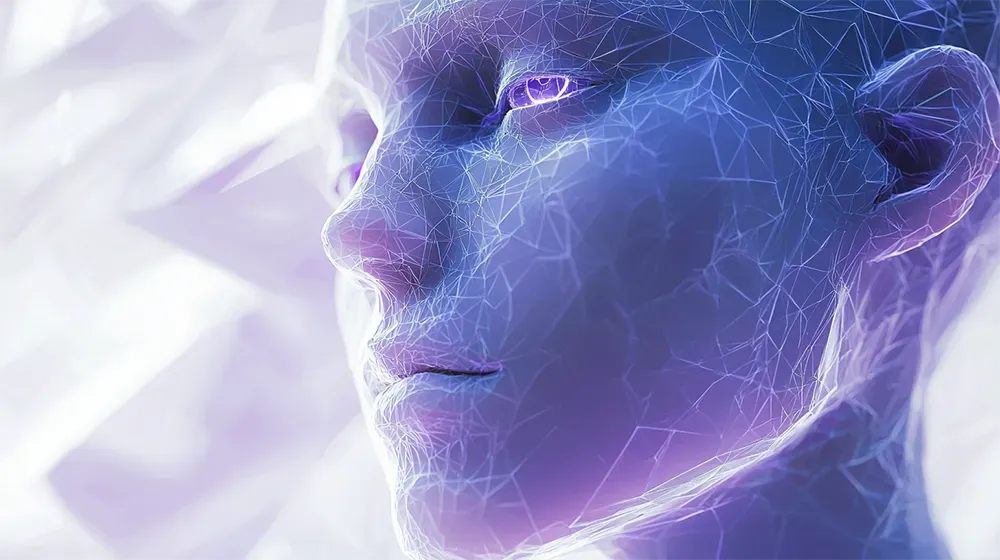
4. WHEN AI FEELS PAIN: ARE WE READY FOR CONSCIOUS MACHINES?
What if AI could suffer? Experts fear we’re closer to conscious machines than we think. An open letter, backed by 100+ thought leaders, warns of AI deserving moral rights. Proposed principles urge boundaries on AI research to avoid an ethical minefield—where shutting down a robot might feel like taking a life. Ready to face sentient machines? (The Guardian)

5. GOOGLE’S AI ETHICS JUST GOT A QUIET MAKEOVER, SHOULD WE BE WORRIED?
Google’s AI ethics just took a back seat. Quietly dropping bans on military, surveillance, and weapons use, it opens the door to lucrative deals as AI guardrails vanish under Trump’s policies. While Google claims it’ll follow human rights standards, critics question if business is now trumping ethics. Should tech giants set their own rules, or face stricter oversight? (Wired)
Bring the World's Best Futurist to Your Next Event – Let’s Talk!
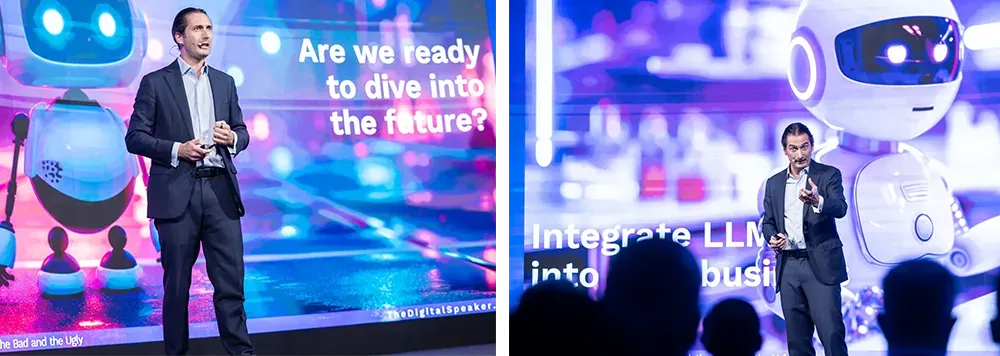
We’re entering a world where intelligence is synthetic, reality is augmented, and the rules are being rewritten in front of our eyes. In Synthetic Minds, I dive deep into these shifts, and I can bring these thought-provoking insights and actionable strategies to your next event. Recognized as the world's top futurist by Global Gurus and a Leading AI Voice by Salesforce, I help audiences think bigger, adapt faster, and embrace the future with confidence. Let’s talk. Just hit reply to book me for your next event!
Stay connected:
- Twitter: @VanRijmenam
- Speaker Website
- Grab my latest books: Future Visions and Step into the Metaverse
- Download The Digital Speaker app
Enjoyed my content? An Amazon review or Google review would mean a lot! 🌟
Thanks for reading!
— Mark
Frequently asked questions
How will augmented reality change everyday life?
Augmented reality is set to evolve from a niche tool into an everyday interface merging physical and digital spaces. With companies like Meta and Snap leading development, lightweight AR glasses powered by advanced AI and 5G will drive adoption in industries such as education, healthcare, and retail, making experiences hyper-realistic through spatial intelligence while raising concerns about privacy, data ownership, and tech over-reliance.
Link to this questionWhat is PsiQuantum trying to achieve with its quantum computer?
PsiQuantum, an Australian quantum computing startup, is aiming to build a million-qubit photonic quantum computer by 2027. Backed by AU$1 billion and leveraging smartphone chip technology, it has partnered with GlobalFoundries to make this possible, with pharma and EV companies already lining up as interested parties in this ambitious quantum computing moonshot.
Link to this questionWhy are experts worried about conscious AI?
Experts fear we may be closer to conscious machines than realized, raising concerns that AI could eventually suffer. An open letter backed by more than 100 thought leaders warns that AI may deserve moral rights, proposing principles to set boundaries on AI research so as to avoid an ethical minefield where shutting down a robot might feel like taking a life.
Link to this questionDid Google change its AI ethics policies?
Google quietly dropped its bans on using AI for military, surveillance, and weapons purposes, opening the door to lucrative deals as AI guardrails have loosened under changing political policies. While Google states it will still follow human rights standards, critics question whether business interests are now taking priority over ethics, raising debate about whether tech giants should set their own rules or face stricter oversight.
Link to this question
Dr Mark van Rijmenam
Dr. Mark van Rijmenam, widely known as The Digital Speaker, isn’t just a #1-ranked global futurist; he’s an Architect of Tomorrow who fuses visionary ideas with real-world ROI. As a global keynote speaker, Global Speaking Fellow, recognized Global Guru Futurist, and 5-time author, he ignites Fortune 500 leaders and governments worldwide to harness emerging tech for tangible growth.
Recognized by Salesforce as one of 16 must-know AI influencers , Dr. Mark brings a balanced, optimistic-dystopian edge to his insights—pushing boundaries without losing sight of ethical innovation. From pioneering the use of a digital twin to spearheading his next-gen media platform Futurwise, he doesn’t just talk about AI and the future—he lives it, inspiring audiences to take bold action. You can reach his digital twin via WhatsApp at: +1 (830) 463-6967.