When Pixels Blend Reality: The AI Mirage
When Pixels Blend Reality: The AI Mirage
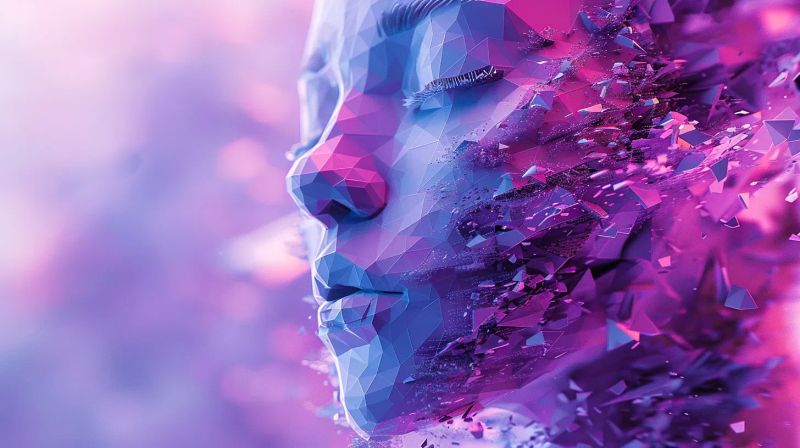
In a digital era where AI-generated content blurs the lines between the imagined and the real, OpenAI's Sora changes the game. This innovative text-to-video system, capable of rendering detailed, photorealistic videos from textual prompts, signifies a monumental leap in AI's creative journey.
From capturing intimate moments that echo personal memories to crafting scenes of fantastical realms, Sora challenges our perceptions of reality and creativity. However, as it dazzles us with its capabilities, it also unveils the limitations of AI in truly understanding the nuances of the physical and cultural worlds it seeks to replicate.
These AI-generated narratives, while impressive, often lack the depth of cause and effect, sometimes failing to capture the essence of their subjects accurately. The flaws in these creations, from too-perfect scenes to cartoonish qualities, highlight a critical gap in AI's comprehension. It's a reminder that while AI can mimic the aesthetics of reality, it struggles with the complexity of life's unpredictable nature and cultural intricacies.
More importantly, as Rothman discusses, the blurred lines between real and AI-generated content challenge our traditional notions of authenticity, prompting us to reconsider what constitutes a genuine experience. The implications for creativity, copyright, and trust in media are vast, signaling a future where the power to create is limitless, but so are the potential misunderstandings and misuses.
This dual-edged sword of AI creativity prompts us to ponder the future of content creation, the authenticity of memories, and the role of AI in our storytelling traditions.
As we stand on the brink of a new age where synthetic media becomes indistinguishable from genuine experiences, we must ask: How do we navigate the ethical, philosophical, and practical challenges of a world awash in AI-generated content? Can AI ever truly capture the human experience, or will it always remain an echo of our imaginations, bound by the limits of its algorithms?
Read the full story on The New Yorker.
----
Frequently asked questions
What is OpenAI's Sora?
Sora is OpenAI's text-to-video system capable of rendering detailed, photorealistic videos from textual prompts. It represents a major leap in AI's creative capabilities, generating scenes ranging from intimate personal-memory-like moments to fantastical realms, blurring the line between imagined and real content.
Link to this questionWhat limitations does AI-generated video have?
AI-generated narratives often lack depth of cause and effect and sometimes fail to accurately capture the essence of their subjects. Flaws include too-perfect scenes and cartoonish qualities, revealing that AI can mimic the aesthetics of reality but struggles with life's unpredictable nature and cultural intricacies.
Link to this questionWhy does AI-generated content challenge our idea of authenticity?
Because the blurred lines between real and AI-generated content challenge traditional notions of authenticity, prompting reconsideration of what constitutes a genuine experience. This has vast implications for creativity, copyright, and trust in media, as the power to create becomes limitless alongside potential misunderstandings and misuses.
Link to this questionCan AI ever truly replicate human experience?
The article raises this as an open question, asking whether AI can ever truly capture the human experience or will always remain an echo of our imaginations, bound by the limits of its algorithms. It frames this as one of the key ethical and philosophical challenges of a world increasingly filled with synthetic media.
Link to this question💡 We're entering a world where intelligence is synthetic, reality is augmented, and the rules are being rewritten in front of our eyes.
Staying up-to-date in a fast-changing world is vital. That is why I have launched Futurwise; a personalized AI platform that transforms information chaos into strategic clarity. With one click, users can bookmark and summarize any article, report, or video in seconds, tailored to their tone, interests, and language. Visit Futurwise.com to get started for free!


Dr Mark van Rijmenam
Dr. Mark van Rijmenam, widely known as The Digital Speaker, isn’t just a #1-ranked global futurist; he’s an Architect of Tomorrow who fuses visionary ideas with real-world ROI. As a global keynote speaker, Global Speaking Fellow, recognized Global Guru Futurist, and 5-time author, he ignites Fortune 500 leaders and governments worldwide to harness emerging tech for tangible growth.
Recognized by Salesforce as one of 16 must-know AI influencers , Dr. Mark brings a balanced, optimistic-dystopian edge to his insights—pushing boundaries without losing sight of ethical innovation. From pioneering the use of a digital twin to spearheading his next-gen media platform Futurwise, he doesn’t just talk about AI and the future—he lives it, inspiring audiences to take bold action. You can reach his digital twin via WhatsApp at: +1 (830) 463-6967.