AI on Trial: The Copyright Conundrum Cracking Open Pandora’s Box
AI on Trial: The Copyright Conundrum Cracking Open Pandora’s Box
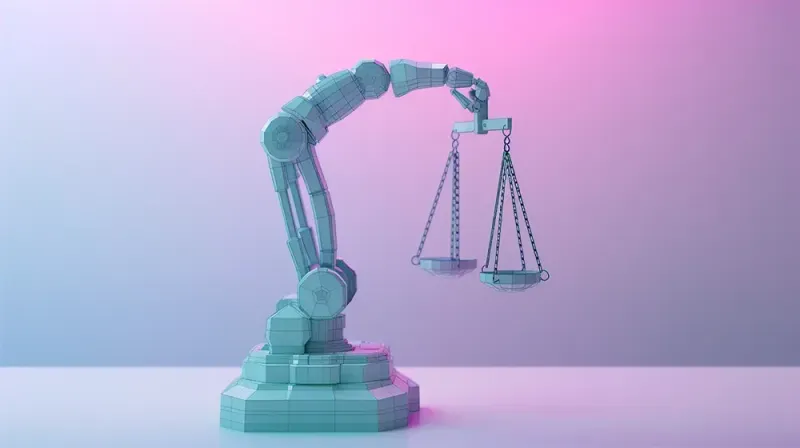
The skirmish between The New York Times and OpenAI over copyright infringement thrusts into the spotlight a burgeoning legal frontier where artificial intelligence meets copyright law. This faceoff is not just about whether AI can legally digest and regurgitate copyrighted materials for training purposes but also probes the deeper implications of AI’s role in content creation and copyright's adaptability to new technological paradigms.
At the heart of the debate is OpenAI’s assertion that using publicly available internet materials for AI training constitutes fair use, a stance buoyed by precedents like Google’s victory in creating a book search engine. However, the legal terrain here is as treacherous as it is uncharted. The Times' lawsuit, echoing the fate of companies like MP3.com, which faced crippling legal defeat despite a fair use defense, serves as a stark reminder of the precarious balance between fostering innovation and protecting copyright.
The narrative unfolding in courtrooms will not only dictate the future of AI development but also challenge our understanding of copyright in the digital age. Can AI creations, inspired by human intellect yet devoid of human touch, coexist with the principles of copyright law designed to protect human creativity? This legal odyssey may compel us to redefine fairness in the use of copyrighted material, balancing innovation's march against the rights of creators.
As we stand on this legal precipice, the question looms: Will this battle pave the way for a new legal framework accommodating AI's unique challenges, or will it stifle the potential of AI to revolutionize how we create and interact with content?
Read the full article on Understanding AI.
----
Frequently asked questions
Why is The New York Times suing OpenAI?
The New York Times is challenging OpenAI over copyright infringement, questioning whether it is legal for AI systems to digest and regurgitate copyrighted materials for training purposes. The case probes deeper implications about AI's role in content creation and whether existing copyright law can adapt to new technological paradigms like generative AI.
Link to this questionWhat is OpenAI's fair use defense based on?
OpenAI asserts that using publicly available internet materials for AI training constitutes fair use. This stance is supported by precedents such as Google's victory in creating a book search engine, which established that certain uses of copyrighted material for building new tools can be considered legally permissible under fair use principles.
Link to this questionWhat past legal case is compared to the OpenAI lawsuit?
The lawsuit against OpenAI echoes the fate of MP3.com, a company that faced crippling legal defeat despite mounting a fair use defense. This precedent serves as a stark reminder of how precarious the balance can be between fostering technological innovation and protecting the rights of copyright holders.
Link to this questionWhy does this legal battle matter for AI's future?
The outcome will dictate the future of AI development and challenge our understanding of copyright in the digital age. It raises the question of whether AI creations, inspired by human intellect but lacking human touch, can coexist with copyright law's aim to protect human creativity, potentially requiring a new legal framework or risking stifling AI's potential.
Link to this question💡 We're entering a world where intelligence is synthetic, reality is augmented, and the rules are being rewritten in front of our eyes.
Staying up-to-date in a fast-changing world is vital. That is why I have launched Futurwise; a personalized AI platform that transforms information chaos into strategic clarity. With one click, users can bookmark and summarize any article, report, or video in seconds, tailored to their tone, interests, and language. Visit Futurwise.com to get started for free!

Dr Mark van Rijmenam
Dr. Mark van Rijmenam, widely known as The Digital Speaker, isn’t just a #1-ranked global futurist; he’s an Architect of Tomorrow who fuses visionary ideas with real-world ROI. As a global keynote speaker, Global Speaking Fellow, recognized Global Guru Futurist, and 5-time author, he ignites Fortune 500 leaders and governments worldwide to harness emerging tech for tangible growth.
Recognized by Salesforce as one of 16 must-know AI influencers , Dr. Mark brings a balanced, optimistic-dystopian edge to his insights—pushing boundaries without losing sight of ethical innovation. From pioneering the use of a digital twin to spearheading his next-gen media platform Futurwise, he doesn’t just talk about AI and the future—he lives it, inspiring audiences to take bold action. You can reach his digital twin via WhatsApp at: +1 (830) 463-6967.