
Lethal Autonomous Weapons
Artificial intelligence is becoming increasingly advanced, and it is poised to play a major role in every industry, including the military industry.
Read More
Artificial intelligence is becoming increasingly advanced, and it is poised to play a major role in every industry, including the military industry.
Read More
We live in a world where increasingly globalisation is under threat. The biggest threat comes from trade wars, started by Mr Trump, that could significantly harm the world economy. This week, the International Monetary Fund warned that Trump’s trade war could cost the global economy $430 billion in 2020
Read More
Thanks to the current trade wars, globalisation is at risk. However, global collaboration is the only way forward and, despite rising nationalism and protectionism that are driven by the USA, there is an imminent move towards more collaboration on the Eurasian continent.
Read More
The algorithmic organisation [https://www.thedigitalspeaker.com/top-7-technology-trends-2018/] is an organisation built around smart algorithms. Algorithms that define company processes [https://www.thedigitalspeaker.com/organisation-tomorrow-data-organisation/], that deliver customer services, that take action when necessary and as such define the way the world works.
Read More
Blockchain started out as a purely financial technology but has shown surprisingly expansive potential into other industries with the release of add-ons like smart contracts and tokenisation.
Read More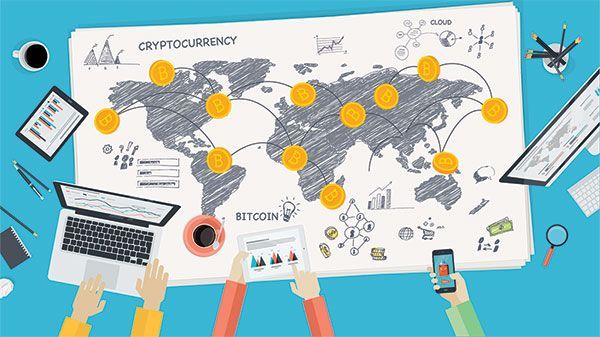
This week's f(x) = e^x newsletter discusses decentralised analytics, Chinese chips and a controversial EU copyright law.
Read More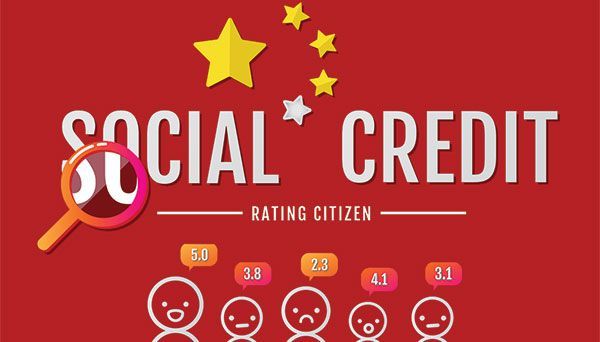
The internet has a problem. On the one hand, we have the ‘Western internet' where everyone can do as they like, where you can be anonymous and say/do whatever you want, but where reputation and online trust is difficult.
Read More
The fast-changing, uncertain and ambiguous environments that organisations operate in today, require organisations to re-think all their internal business processes and customer touch points. In addition, due to the availability of Emerging Information Technologies such as big data analytics, blockchain and artificial intelligence, it has become easier for
Read More
Many banks around the globe are not very crypto-friendly. Most of them, simply refuse any company that has something to do with cryptocurrencies, whether you are a trading company or doing an ICO.
Read More
The retail industry has become increasingly complex in the past decades. Products are made in one part of the world, assembled in another and sold in a third part of the world, whether it is food, clothing or flowers. As a result of this complexity, transparency has become challenging, and
Read MoreSomething went wrong
Something went wrong. Please, try again later