Misinformation 101: Why Teens Need Media Literacy Now More Than Ever
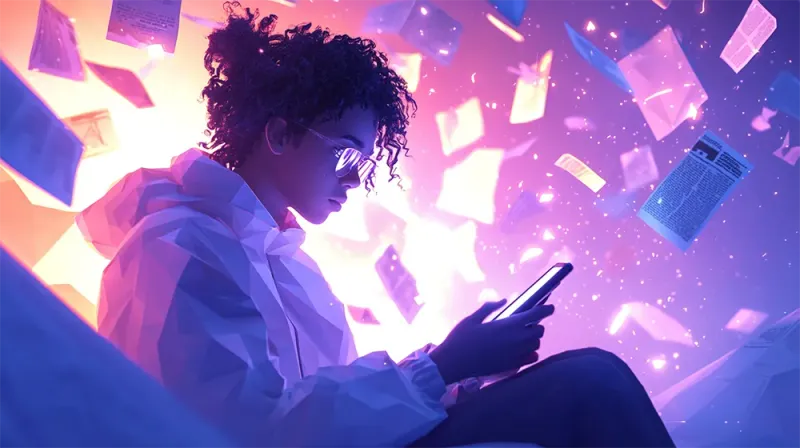
Would you trust TikTok over Reuters for credible news? Many teens do — and the consequences of this trend are reshaping how an entire generation interacts with information.
Teens today encounter conspiracy theories almost daily, yet less than 40% receive any media literacy education - shocking. A new study reveals widespread inability to differentiate between biased content and credible news. From mislabeling advertisements as news to trusting brand names over investigative journalism, the gaps are glaring.
Even with some media literacy, exposure to misinformation increases, possibly due to sharper detection skills. Schools, however, remain largely unequipped, with only six US states offering guidelines for teaching media literacy and just three making it mandatory.
- 80% see conspiracy theories weekly; 20% daily
- Only 15% actively seek trustworthy news
- Media literacy boosts fact-checking confidence but remains rare
The stakes? Misguided algorithms and misinformation threaten an informed society. Education is long over due and schools must prioritize equipping teens with the tools to critically assess the flood of digital information
As digital media reshapes truth, how can we ensure the next generation is equipped to thrive in an era of disinformation? Share your thoughts in the comments.
Read the full article on Fast Company.
----
💡 We're entering a world where intelligence is synthetic, reality is augmented, and the rules are being rewritten in front of our eyes.
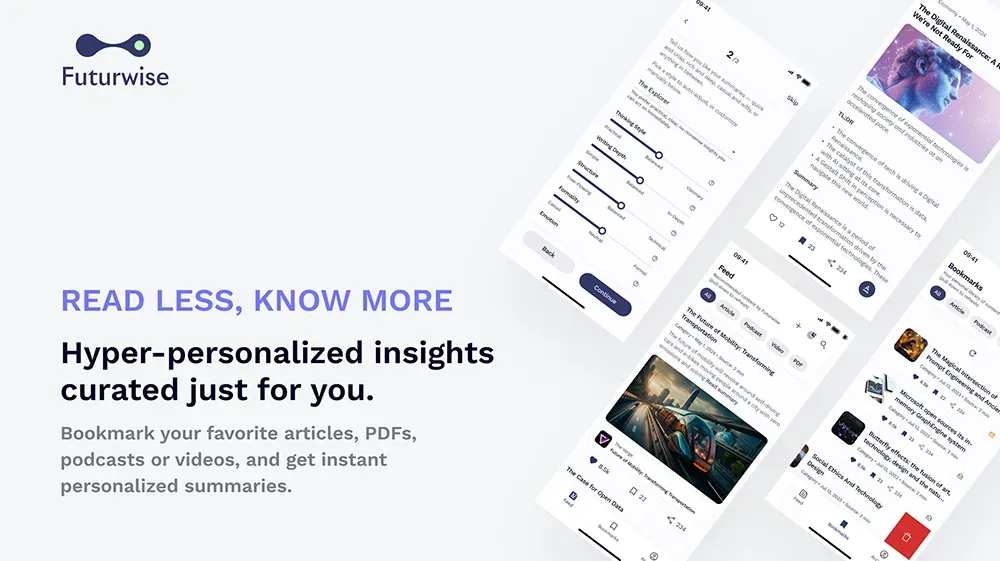
Staying up-to-date in a fast-changing world is vital. That is why I have launched Futurwise; a personalized AI platform that transforms information chaos into strategic clarity. With one click, users can bookmark and summarize any article, report, or video in seconds, tailored to their tone, interests, and language. Visit Futurwise.com to get started for free!

Dr Mark van Rijmenam
Dr. Mark van Rijmenam, widely known as The Digital Speaker, isn’t just a #1-ranked global futurist; he’s an Architect of Tomorrow who fuses visionary ideas with real-world ROI. As a global keynote speaker, Global Speaking Fellow, recognized Global Guru Futurist, and 5-time author, he ignites Fortune 500 leaders and governments worldwide to harness emerging tech for tangible growth.
Recognized by Salesforce as one of 16 must-know AI influencers , Dr. Mark brings a balanced, optimistic-dystopian edge to his insights—pushing boundaries without losing sight of ethical innovation. From pioneering the use of a digital twin to spearheading his next-gen media platform Futurwise, he doesn’t just talk about AI and the future—he lives it, inspiring audiences to take bold action. You can reach his digital twin via WhatsApp at: +1 (830) 463-6967.