Quantum Conundrum: The Looming Encryption Disruption and the Race Against Time
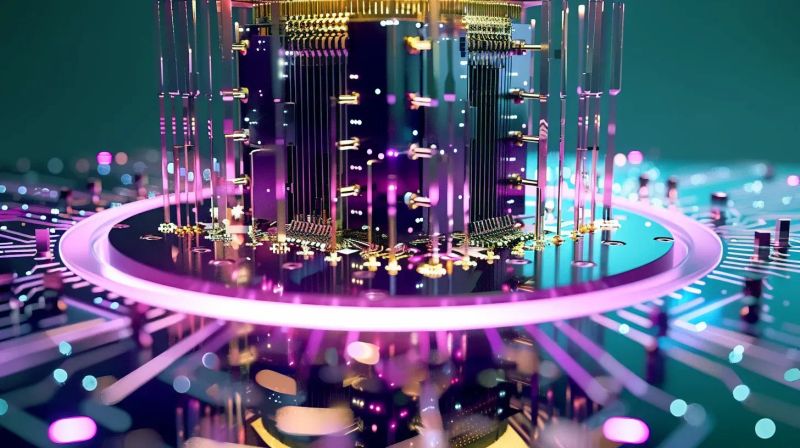
Quantum Conundrum: The Looming Encryption Disruption and the Race Against Time
Imagine a world where your most guarded secrets, encrypted and safe, suddenly lay bare for all to see — this isn't a plot from a dystopian novel but a very real possibility with the rise of quantum computing. Are we on the brink of a cybersecurity apocalypse?
Finally, European MPs are ringing alarm bells over quantum computing's potential to dismantle our digital fortresses, threatening the encryption that guards everything from mundane chats to national secrets. Last year, I already warned for the Big Crunch, which is rapidly approaching.
The ascent of quantum capabilities heralds a potential epoch where traditional encryption methods, our digital safe havens, stand defenseless against quantum decryption prowess. This clarion call isn't just about recognizing the threat; it's a wake-up call to action, emphasizing the diminishing window we have to fortify our digital defenses.
In the heart of this quantum quandary lies the transition to quantum-resistant cryptography—a monumental shift that beckons a coalition of tech leaders, policymakers, and global entities. If you thought that Y2K bug was a problem, it will pale in comparisson to this monumental challenge.
This metamorphosis from vulnerable to quantum-secure encryption protocols isn't an overnight task. Drawing parallels from historical cryptographic evolutions, such as the migration from SHA1 to SHA2, elucidates the scale and complexity of this imminent transition. It's a testament to the intertwined destiny of technological progress and cybersecurity, where every stakeholder bears a part in scripting the next chapter.
Amidst this impending overhaul, the EU's proactive measures emerge as a beacon, guiding the transition towards post-quantum cryptographic standards. Yet, the journey is fraught with uncertainties and challenges. How swiftly can we adapt to this new cryptographic landscape?
Will the collaborative endeavors between governments, tech conglomerates, and academia yield the quantum-safe bastion we aspire to build? As the narrative unfolds, it's clear that the EU's clarion call serves not just as a warning but as a catalyst, urging an orchestrated, global response to the quantum puzzle.
However, the discourse extends beyond the realms of technology and policy. At its core, it's a dialogue about trust, resilience, and the collective resolve to safeguard our digital future against quantum threats.
As we inch closer to this quantum horizon, the dialogue evolves, spotlighting the need for transparency, public engagement, and education in demystifying the quantum realm. It's about nurturing a quantum-literate society that's poised to navigate and thrive in this new era of computing.
As we stand at this crossroads, the question isn't just about readiness—it's about vision, strategy, and the audacity to reimagine our digital frameworks in the quantum age. Are we merely reactive players, or will we seize the narrative, steering the quantum conversation towards a secure, inclusive, and enlightened digital future? The journey is as monumental as it is imperative, and the time to chart our course is now, before the quantum tide reshapes our digital landscape irrevocably.
Read the full article on Innovation Origins.
----
Frequently asked questions
Why is quantum computing considered a threat to encryption?
Quantum computing brings decryption capabilities that could render traditional encryption methods defenseless, meaning digital safe havens protecting everything from ordinary chats to national secrets could suddenly become vulnerable. This is why European MPs are raising alarm bells about quantum computing's potential to dismantle the digital fortresses that currently keep sensitive information secure.
Link to this questionWhat is quantum-resistant cryptography?
Quantum-resistant cryptography refers to new cryptographic protocols designed to withstand decryption attempts from quantum computers. Transitioning to these standards is described as a monumental shift requiring a coalition of tech leaders, policymakers, and global entities working together, comparable in scale and complexity to historical cryptographic migrations like the shift from SHA1 to SHA2 encryption standards.},
Link to this questionHow does this quantum threat compare to the Y2K bug?
The transition to quantum-secure encryption is described as a challenge that will make the Y2K bug pale in comparison. While Y2K was a significant technological concern, the shift to quantum-resistant cryptography represents a far more monumental undertaking, requiring coordinated global action across technology, policy, and academic sectors to secure digital systems against quantum decryption.
Link to this questionWhat role is the EU playing in addressing the quantum encryption threat?
The EU's proactive measures are emerging as a guide for transitioning toward post-quantum cryptographic standards. Their warning serves as both an alert and a catalyst, urging an orchestrated global response involving governments, tech conglomerates, and academia. However, uncertainties remain about how swiftly the world can adapt to this new cryptographic landscape.
Link to this question💡 We're entering a world where intelligence is synthetic, reality is augmented, and the rules are being rewritten in front of our eyes.
Staying up-to-date in a fast-changing world is vital. That is why I have launched Futurwise; a personalized AI platform that transforms information chaos into strategic clarity. With one click, users can bookmark and summarize any article, report, or video in seconds, tailored to their tone, interests, and language. Visit Futurwise.com to get started for free!


Dr Mark van Rijmenam
Dr. Mark van Rijmenam, widely known as The Digital Speaker, isn’t just a #1-ranked global futurist; he’s an Architect of Tomorrow who fuses visionary ideas with real-world ROI. As a global keynote speaker, Global Speaking Fellow, recognized Global Guru Futurist, and 5-time author, he ignites Fortune 500 leaders and governments worldwide to harness emerging tech for tangible growth.
Recognized by Salesforce as one of 16 must-know AI influencers , Dr. Mark brings a balanced, optimistic-dystopian edge to his insights—pushing boundaries without losing sight of ethical innovation. From pioneering the use of a digital twin to spearheading his next-gen media platform Futurwise, he doesn’t just talk about AI and the future—he lives it, inspiring audiences to take bold action. You can reach his digital twin via WhatsApp at: +1 (830) 463-6967.